الوضع الليلي


 3:57:45
  2019-05-25
  1616
1616
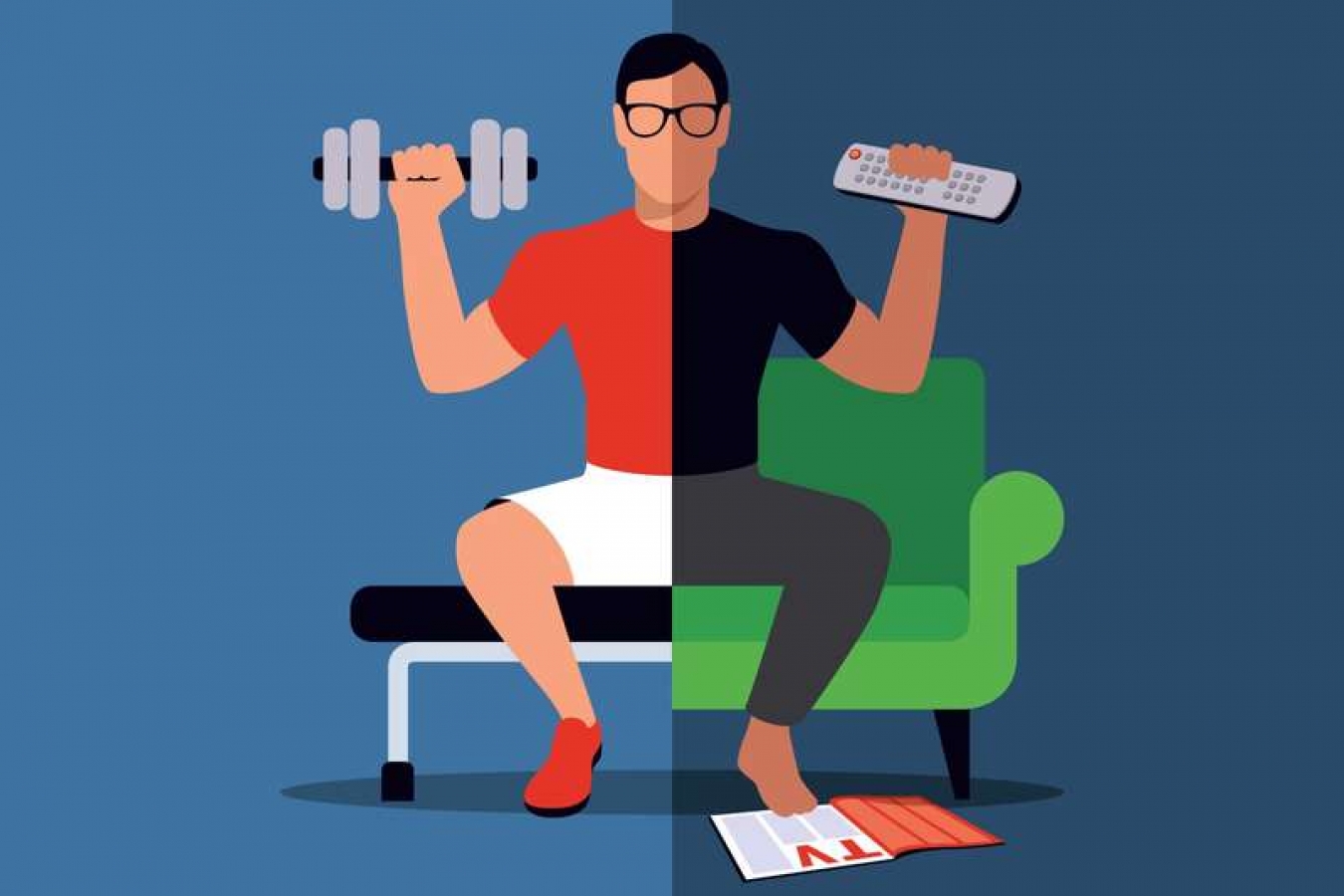
New research shows that older adults who exercise regularly can perform everyday tasks more easily and gain independence.
Insufficient physical activity causes around 3.2 million deaths worldwide each year, according to the World Health Organization (WHO).
These declining levels of physical activity may be due, in part, to an increase in sedentary behavior, heavy traffic areas, pollution, and a lack of parks and facilities.
For adults aged 65 and above, experts define physical activity as a combination of everyday tasks, such as work duties (if applicable), transportation, chores, and exercise they do during leisure time, such as walking, swimming, and gardening.
The WHO recommend that older adults get 150 minutes of moderate intensity aerobic physical activity, or 75 minutes of vigorous intensity aerobic physical activity, during the week. They should also perform activities focused on strengthening their muscles twice per week.
Older adults who have mobility issues should also do physical activity to enhance balance on three or more days per week.
Following this workout routine improves cardiorespiratory and muscular functions and helps reduce the risk of depression and cognitive decline.
Promoting independence and self-worth
Researchers at the MedUni Vienna in Austria recently conducted a new study, which Thomas Dorner, president of the Austrian Society of Public Health, and Richard Crevenna, head of the Department of Physical Medicine, Rehabilitation, and Occupational Medicine at MedUni Vienna, led.
Their findings appear in the Wiener klinische Wochenschrift, and the scientists also presented them during European Public Health Week. About 3,300 people aged 65 and over from Austria volunteered to participate in the study.
Dorner and colleagues explain that experts tend to divide everyday activities into "activities of daily living" (ADLs), such as getting up, eating, and drinking, and "instrumental activities of daily living" (IADLs), such as running errands and doing housework.
The results of the study revealed that people who exercise into old age are more independent and can perform everyday activities more easily.
"People who do the recommended units of exercise each week are three times more likely to be able to manage the ADLs and two times more likely to be able to perform the IADLs," reports Dorner.
As well as 150 minutes of moderate intensity exercise, older adults should do muscle strengthening exercises, such as squats with a chair, a couple of times each week.
"Approximately 10 exercises are recommended for the large muscle groups of the body, each exercise being done once initially, gradually increasing to two or three times, performing each exercise so intensely that it is possible to manage approximately 12–15 repetitions but no more," explains Dorner.
Among the study participants, only around one-third declared that they perform the recommended strength training each week. The researchers estimate that these tendencies represent what occurs all around Europe.
Additional benefits of exercising into old age
According to the WHO, older adults who exercise regularly are less likely to have high blood pressure, cardiovascular diseases, and diabetes. They also have lower rates of all-cause mortality, a higher level of cardiorespiratory fitness, and a more healthful body mass overall.
They also have better cognitive function and are less likely to fall. The study also found that those who engage in physical activity develop more independence and have greater self-worth.
These benefits create a positive chain reaction, because the older adults will require less support and will therefore be less reliant on others.
"I never cease to be amazed that — despite the proven benefits of exercise — far too many people continue to do too little physical activity," says Crevenna.
"People of all ages should be more active, so as to stay healthy and independent for longer and remain self-sufficient. There is only one thing we can do: continue to strive toward greater public awareness!"
Richard Crevenna
Reality Of Islam |
|

Researchers

New phononi

For more th

A new polym
 9:3:43
2018-11-05
9:3:43
2018-11-05
10 benefits of Marriage in Islam
7:5:22
2019-04-08
benefits of reciting surat yunus, hud &
9:45:7
2018-12-24
advantages & disadvantages of divorce
11:35:12
2018-06-10
6:0:51
2018-10-16
12:10:56
2022-11-17
2:5:14
2023-01-28
3:18:29
2022-12-24
al-hussain (peace be upon him)
10:18:1
2022-09-21
allah will not answer all your prayers
6:56:28
2022-01-01
5:57:34
2023-03-18
10:55:53
2022-06-13
5:41:46
2023-03-18
| LATEST |
 HOME
HOME