الوضع الليلي


 7:36:48
  2018-10-07
  2314
2314
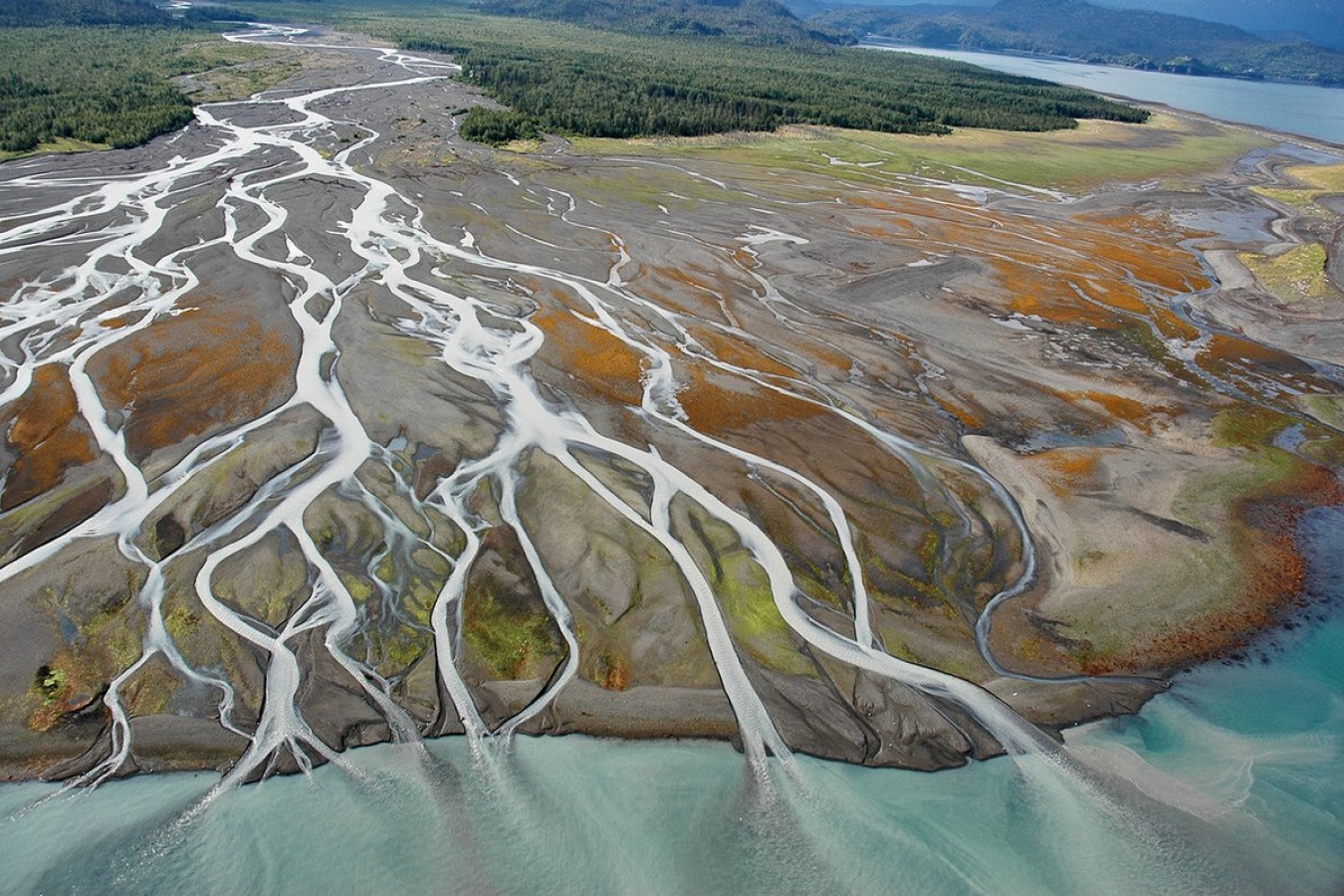
As temperatures rise in the Arctic, permafrost — permanently frozen ground — is defrosting at an alarming rate. But the permafrost isn't the only thing in the Arctic that's melting.
Exposed rock that was once covered in ice is dissolving, eaten away by acid. And the effects of this acid bath could have far-reaching impacts on global climate, according to a new study.
Icy permafrost is rich in minerals, which are released when the ice melts. The minerals then become vulnerable to chemical weathering, or the breakdown of rock through chemical reactions, scientists recently reported. They investigated areas once covered by permafrost in the western Canadian Arctic, finding evidence of weathering caused by sulfuric acid, produced by sulfide minerals that were released when the permafrost melted.
Another type of naturally occurring chemical erosion is caused by carbonic acid, and it also dissolves Arctic rock. But although carbonic-acid weathering locks carbon dioxide (CO2) in place, sulfuric-acid erosion releases CO2 into the atmosphere, and it does so in quantities that were not previously accounted for, researchers wrote in the study.
Dramatic changes are underway in the Arctic, which is warming twice as fast as any other location on Earth. Sea ice is rapidly dwindling, which reduces the ocean's heat-reflecting cover, accelerating the rise of ocean temperatures. And polar bears, which depend on sea-ice cover to hunt for seals, are losing their hunting grounds, and have a harder time finding enough to eat.
On land, melting permafrost is shaping new landscapes, through a process called thermokarst — a term for thawing-driven erosion that originated in Russia, according to the U.S. Geological Survey (USGS).
Thermokarst creates land formations such as lakes, pits and sinkholes, and it was previously unknown how this process could affect weathering of exposed minerals, and how that might then impact CO2 release, according to the study.
"These processes may influence the permafrost carbon-climate feedback, but have received little attention," the scientists reported.
Over geologic timescales, weathering caused by carbonic acid can help to regulate climate, by trapping CO2 and restricting its transfer into the atmosphere. But the researchers found that thermokarst in regions that were rich in sulfides drove production of sulfuric acid, rather than carbonic acid, and thereby released quantities of CO2.
An estimated 1,400 billion tons of carbon are stored in permafrost, Live Science previously reported, and as thawing continues and thermokarst activity intensifies, sulfide-rich regions will continue to transfer CO2 from its icy tomb. However, how that will balance out against the permafrost regions that still produce carbon-trapping carbonic acid is unknown, according to the study.
By Mindy Weisberger, Live Science
Reality Of Islam |
|
Two experim

Changing a
Plants are

After spend
 9:3:43
2018-11-05
9:3:43
2018-11-05
10 benefits of Marriage in Islam
7:5:22
2019-04-08
benefits of reciting surat yunus, hud &
9:45:7
2018-12-24
advantages & disadvantages of divorce
11:35:12
2018-06-10
6:0:51
2018-10-16
11:2:27
2022-10-06
12:10:56
2022-11-17
10:55:53
2022-06-13
2:5:14
2023-01-28
8:4:21
2022-01-08
3:43:50
2022-11-05
9:42:16
2022-10-19
5:41:46
2023-03-18
| LATEST |
 HOME
HOME