الوضع الليلي


 1:56:47
  2024-12-29
  1855
1855
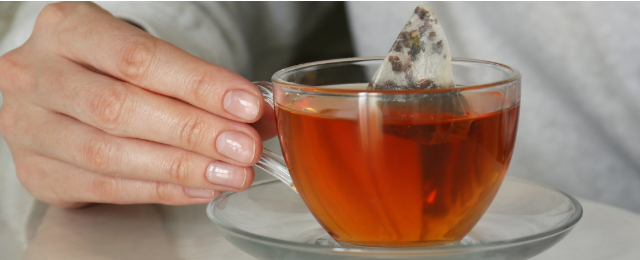
A new study led by researchers from the Autonomous University of Barcelona (UAB) in Spain found that individual tea bags can release billions of micro- and nanoplastic (MNPL) particles in every millimeter of water they're dunked into.
Those figures might seem surprisingly high, but they're in line with previous research looking at the combination of plastics and high heat, such as food containers put in the microwave. It's a sobering reminder of the prevalence of MNPLs.
"We have managed to innovatively characterize these pollutants with a set of cutting-edge techniques, which is a very important tool to advance research on their possible impacts on human health," says microbiologist Alba García-Rodríguez, from UAB.
Earlier studies have raised concerns about the quantity and potential health impact of synthetic particulates from tea bags, and here the researchers wanted to be as thorough as possible, using a selection of tea bags sold commercially.
Using laser techniques to measure the speed and scattering of light gave a highly accurate picture of the chemical and physical properties of particles released from the tea bags.
Three types of tea bags were tested. Those made primarily from polypropylene released about 1.2 billion particles per milliliter, averaging 136.7 nanometers in size. Cellulose bags released on average 135 million particles per milliliter, around 244 nanometers in size. The nylon-6 teabags typically released 8.18 million particles per milliliter, averaging 138.4 nanometers in size.
The researchers also tested how the MNPL particles interacted with human intestinal cells, finding that in mucus-producing cells the absorption levels were enough for the plastics to reach the cell nucleus – a useful discovery in terms of assessing the impacts on health of the plastics now floating through our bodies.
"The polymer composition of MNPLs significantly influences their biological interactions, leading to varied targeting and effects on organs, tissues, and cells," write the researchers in their published paper.
"These differences can result in specific accumulation patterns, toxicity profiles, immune responses, and long-term health effects such as genotoxicity and carcinogenicity."
The research team is calling for more to be done to standardize the use of plastics in food packaging in order to safeguard public health. While a lot of questions remain about the impacts, mounting evidence shows that the growing presence of tiny plastic particles could put ecosystems and our own health at risk.
It's thought that microplastics and nanoplastics could interfere with normal cell operations and make infections more likely. We’ve also seen plastics in the gut associated with conditions like inflammatory bowel disease (IBD).
"As the usage of plastics in food packaging continues to rise, scientific research and policymaking must address the challenges posed by MNPL contamination to ensure food safety and consumer well-being," write the researchers.
Reality Of Islam |
|
Researchers
New phononi
For more th
A new polym
 9:3:43
2018-11-05
9:3:43
2018-11-05
10 benefits of Marriage in Islam
7:5:22
2019-04-08
benefits of reciting surat yunus, hud &
9:45:7
2018-12-24
advantages & disadvantages of divorce
11:35:12
2018-06-10
6:0:51
2018-10-16
5:58:12
2021-12-18
2:34:48
2022-01-18
al-hussain (peace be upon him)
10:18:1
2022-09-21
7:26:19
2022-04-08
6:0:8
2023-03-19
2:13:43
2022-05-27
10:35:40
2022-05-26
5:41:46
2023-03-18
| LATEST |
 HOME
HOME