الوضع الليلي


 3:21:24
  2025-01-06
  1627
1627
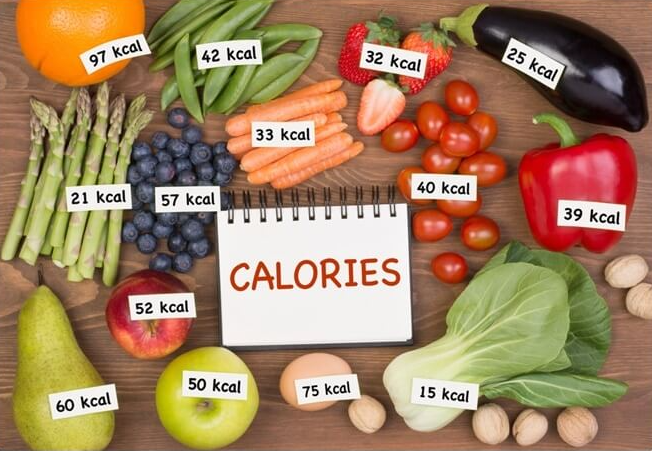
It's a well-known fact that to lose weight, you either need to eat less or move more. But how many calories do you really need to cut out of your diet each day to lose weight? It may be less than you think.
To determine how much energy (calories) your body requires, you need to calculate your total daily energy expenditure (TDEE). This is comprised of your basal metabolic rate (BMR) – the energy needed to sustain your body's metabolic processes at rest – and your physical activity level. Many online calculators can help determine your daily calorie needs.
If you reduce your energy intake (or increase the amount you burn through exercise) by 500-1,000 calories per day, you'll see a weekly weight loss of around one pound (0.45kg).
But studies show that even small calorie deficits (of 100-200 calories daily) can lead to long-term, sustainable weight-loss success. And although you might not lose as much weight in the short-term by only decreasing calories slightly each day, these gradual reductions are more effective than drastic cuts as they tend to be easier to stick with.
Hormonal changes
When you decrease your calorie intake, the body's BMR often decreases. This phenomenon is known as adaptive thermogenesis. This adaptation slows down weight loss so the body can conserve energy in response to what it perceives as starvation. This can lead to a weight-loss plateau – even when calorie intake remains reduced.
Caloric restriction can also lead to hormonal changes that influence metabolism and appetite. For instance, thyroid hormones, which regulate metabolism, can decrease – leading to a slower metabolic rate. Additionally, leptin levels drop, reducing satiety, increasing hunger and decreasing metabolic rate.
Ghrelin, known as the "hunger hormone", also increases when caloric intake is reduced, signaling the brain to stimulate appetite and increase food intake. Higher ghrelin levels make it challenging to maintain a reduced calorie diet, as the body constantly feels hungrier.
Insulin, which helps regulate blood sugar levels and fat storage, can improve in sensitivity when we reduce calorie intake. But sometimes, insulin levels decrease instead, affecting metabolism and leading to a reduction in daily energy expenditure.
Cortisol, the stress hormone, can also spike – especially when we're in a significant caloric deficit. This may break down muscles and lead to fat retention, particularly in the stomach.
Lastly, hormones such as peptide YY and cholecystokinin, which make us feel full when we've eaten, can decrease when we lower calorie intake. This may make us feel hungrier.
Fortunately, there are many things we can do to address these metabolic adaptations so we can continue losing weight.
Weight loss strategies
Maintaining muscle mass (either through resistance training or eating plenty of protein) is essential to counteract the physiological adaptations that slow weight loss down. This is because muscle burns more calories at rest compared to fat tissue – which may help mitigate decreased metabolic rate.
Gradual caloric restriction (reducing daily calories by only around 200-300 a day), focusing on nutrient-dense foods (particularly those high in protein and fiber), and eating regular meals can all also help to mitigate these hormonal challenges.
But if you aren't someone who wants to track calories each day, here are some easy strategies that can help you decrease daily calorie intake without thinking too much about it:
1. Portion control: reducing portion sizes is a straightforward way of reducing calorie intake. Use smaller plates or measure serving sizes to help reduce daily calorie intake.
2. Healthy swaps: substituting high-calorie foods with lower-calorie alternatives can help reduce overall caloric intake without feeling deprived. For example, replacing sugary snacks with fruits or swapping soda with water can make a substantial difference to your calorie intake. Fiber-rich foods can also reduce the calorie density of your meal.
3. Mindful eating: practicing mindful eating involves paying attention to hunger and fullness cues, eating slowly, and avoiding distractions during meals. This approach helps prevent overeating and promotes better control over food intake.
4. Have some water: having a drink with your meal can increase satiety and reduce total food intake at a given meal. In addition, replacing sugary beverages with water has been shown to reduce calorie intake from sugars.
4. Intermittent fasting: restricting eating to specific windows can reduce your caloric intake and have positive effects on your metabolism. There are different types of intermittent fasting you can do, but one of the easiest types is restricting your mealtimes to a specific window of time (such as only eating between 12 noon and 8pm). This reduces night-time snacking, so is particularly helpful if you tend to get the snacks out late in the evening.
Long-term behavioral changes are crucial for maintaining weight loss. Successful strategies include regular physical activity, continued mindful eating, and periodically being diligent about your weight and food intake. Having a support system to help you stay on track can also play a big role in helping you maintain weight loss.
Modest weight loss of 5-10% body weight in people who are overweight or obese offers significant health benefits, including improved metabolic health and reduced risk of chronic diseases. But it can be hard to lose weight – especially given all the adaptations our body has to prevent it from happening.
Thankfully, small, sustainable changes that lead to gradual weight loss appear to be more effective in the long run, compared with more drastic lifestyle changes.
Reality Of Islam |
|

Researchers

New phononi

For more th

A new polym
 9:3:43
2018-11-05
9:3:43
2018-11-05
10 benefits of Marriage in Islam
7:5:22
2019-04-08
benefits of reciting surat yunus, hud &
9:45:7
2018-12-24
advantages & disadvantages of divorce
11:35:12
2018-06-10
6:0:51
2018-10-16
the happy life of mankind requirement
6:36:36
2022-01-25
7:26:19
2022-04-08
1:16:44
2018-05-14
9:30:2
2021-11-12
6:14:17
2018-06-21
6:28:21
2022-12-20
9:50:37
2023-02-28
5:41:46
2023-03-18
| LATEST |
 HOME
HOME