الوضع الليلي


 10:51:17
  2026-07-09
  1958
1958
Fāṭima bt. Asad (a) initially chose to name her son, ʿAlī b. Abī Ṭālib (a), as “Ḥaydara” (meaning lion). This decision stemmed from her desire for her son to have a name resembling that of her own father, Asad, which also meant lion. However, Abū Ṭālib (a) ultimately named him ʿAlī. On occasions when ʿAlī b. Abī Ṭālib (a) recited paeans against Marḥab al-Khaybarī, he referred to himself as al-Ḥaydara, stating, “I am the one whom my mother named Ḥaydara.”
In sources of hadiths, diverse reasons are mentioned to explain the appellation of “ʿAlī” for him. According to some accounts, an otherworldly being, present during Fāṭima bt. Asad’s departure from the Kaaba, cried out, “O Fāṭima! Name him ʿAlī, for he is exalted. God the all-exalted the most exalted says, ‘I derived his name from Mine’.” In other accounts, it is mentioned that Abū Ṭālib (a) ventured to Abū Qubays Mountain during the night and beseeched the “Creator of the Plains” (khāliq al-khaḍrāʾ) to bestow a name upon his son. According to the narration, Abū Ṭālib (a) expressed his supplication in the form of a poem. Suddenly, a tablet descended from the sky, bearing verses that proclaimed that Abū Ṭālib’s son should be named ʿAlī. Amīr al-Muʾminīn (the Commander of the Faithful) himself also alludes to his name being derived from the name of God.
Imam ʿAlī (a) was known by several teknonyms or kunyas. As per certain sources, during the lifetime of the Prophet (s), Imam al-Ḥasan (a) would address his father as “Abū l-Ḥusayn” (the father of al-Ḥusayn), whereas Imam al-Ḥusayn (a) would refer to him as “Abū l-Ḥasan” (the father of al-Ḥasan). After the passing of the Prophet (s), both Imam al-Ḥasan and Imam al-Ḥusayn addressed Imam ʿAlī (a) simply as “father” (ab). The most well-known teknonym of Imam ʿAlī (a) is “Abū l-Ḥasan.” His other teknonyms include Abū l-Sibṭayn, Abū l-Rayḥānatayn, and Abū Turāb. As Arabs used the term “sibṭ” to refer to a grandchild who descended from one’s daughter, Imam ʿAlī was given the title “Abū l-Sibṭayn,” signifying the father of two such grandchildren. It is worth noting that this teknonym was frequently employed in sermons or situations where ʿAlī (a) himself or others sought to highlight his virtues.
The teknonym “Abū l-Rayḥānatayn” (literally “father of two basils”) originated from a hadith in which the Prophet (s) addressed Amīr al-Muʾminīn (a) as follows: “O Abā al Rayḥānatayn! Soon two of your pillars (ruknāk) will vanish.” When the Prophet (s) mentioned “two pillars,” he was referring to himself and ʿAlī’s wife Fāṭima (a), who served as the pillars and refuges for ʿAlī (a). In certain accounts, the Prophet’s words are recorded as follows: “O Abū l-Rayḥānatayn! I advise you to look after my basil (rayḥāna) in this world. Soon two of your pillars will vanish.”
Among these, the most widely known teknonym of ʿAlī (a) was “Abū Turāb” (literally meaning “father of dust”), as he was bestowed with this title by the Prophet (s). When it comes to the reason why the Prophet bestowed the title “Abū Turāb” upon ʿAlī b. Abī Ṭālib (a), several explanations have been put forward. The most renowned account goes back to the battle of Dhāt al-ʿAshīra in 2/623, where Imam ʿAlī (a) and ʿAmmār b. Yāsir were resting beneath a palm tree. The Prophet woke them up and referred to Amīr al Muʾminīn (a), covered in dust, as “Abū Turāb.”
ʿAlī b. Abī Ṭālib (a) possessed numerous titles, with around 200 being attributed to him. Among these, the most prominent title is “Amīr al-Muʾminīn” (Commander of the Faithful). ʿAlī b. Ṭāwūs al-Ḥillī (d. 664/1266) authored a book entitled “Al-Yaqīn bi ikhtiṣāṣ mawlānā ʿAlī (a) bi imrat al-muʾminīn” (Certainty in the exclusiveness of the commandership of the faithful to our master ʿAlī, peace be upon him). In this book, he compiled hadiths from the Prophet (s), as quoted from Sunni sources, to establish that ʿAlī (a) is indeed titled “Amīr al-Muʾminīn” (Commander of the Faithful). Prior to him, al-Ḥusayn b. ʿAbd Allāh b. Ibrāhīm al-Ghaḍāʾirī, commonly known as Ibn al-Ghaḍāʾirī (d. before 450/1058), authored a book titled “Al-Taslīm ʿalā Amīr al-Muʾminīn bi imrat al muʾminīn” (Surrendering the commandership of the faithful to the Commander of the Faithful).
Reality Of Islam |
|
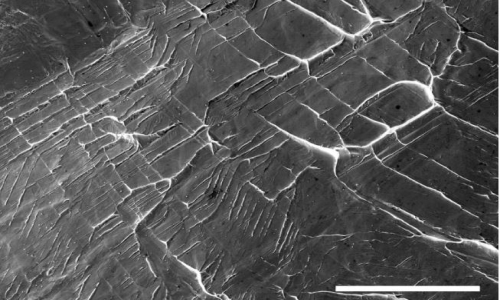
Two experim

Changing a
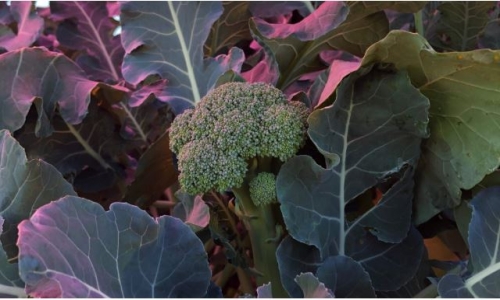
Plants are

After spend
 9:3:43
2018-11-05
9:3:43
2018-11-05
10 benefits of Marriage in Islam
7:5:22
2019-04-08
benefits of reciting surat yunus, hud &
9:45:7
2018-12-24
advantages & disadvantages of divorce
11:35:12
2018-06-10
6:0:51
2018-10-16
11:2:27
2022-10-06
7:34:7
2023-02-28
1:16:44
2018-05-14
8:30:23
2022-03-03
8:15:37
2023-02-16
the happy life of mankind requirement
6:36:36
2022-01-25
bahlool & the throne of haroun rashid
8:20:35
2018-06-21
5:41:46
2023-03-18
| LATEST |
 HOME
HOME