الوضع الليلي


 7:33:31
  2019-02-24
  1806
1806
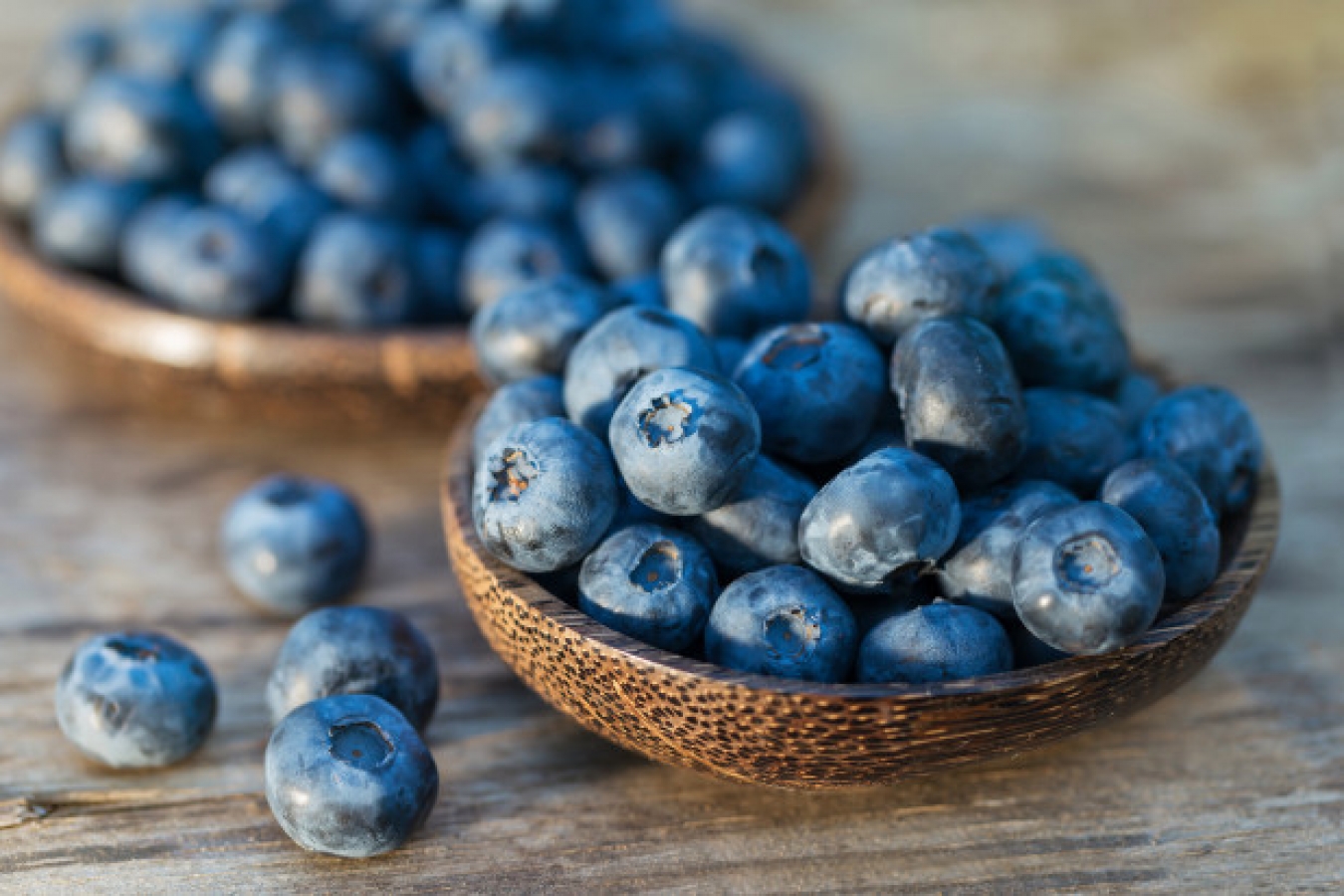
The phytochemicals that give blueberries their blue color can significantly improve cardiovascular health, finds a new two-part study.
Dubbed "the silent killer" because it has no visible symptoms in its early stages, hypertension affects approximately 1 in 3 adults in the United States.
The condition puts a strain on the cardiovascular system, which in the long run may contribute to heart failure, stroke, and kidney failure.
The National Institutes of Health (NIH) recommend that people with high blood pressure stay in control of the condition by eating healthfully, exercising, not smoking, and maintaining a healthy weight.
But should you eat anything in particular to keep your arteries healthy? In a previous Spotlight feature, we rounded up 16 foods that studies have suggested can improve cardiovascular health.
Along with broccoli, spinach, pulses, and fish, berries may also reduce heart disease, due to their antioxidant polyphenols.
New research zooms in on the cardiovascular effects of blueberries and finds that anthocyanins — the phytochemicals that give blueberries their color — mediate the beneficial effects that this fruit has on the cardiovascular system.
The lead author of the study is Ana Rodriguez-Mateos, Ph.D., from the Department of Nutritional Sciences at King's College London, in the United Kingdom. The researchers published their findings in The Journals of Gerontology: Series A.
Anthocyanins and blood pressure
Rodriguez-Mateos and her colleagues recruited 40 study participants who were in perfect health and randomly divided them into two groups: One received a daily drink consisting of 200 grams (g) of blueberries, and another group received a control drink.
To examine the effects of the blueberries, the researchers took the participants' blood pressure and measured the flow-mediated dilation (FMD) of their brachial arteries.
FMD is a standard indicator of cardiovascular risk; it measures how much the brachial artery widens when blood flows at a higher rate.
In the second part of the study, the researchers compared drinking blueberries with drinking purified anthocyanins or control drinks that had concentrations of fiber, minerals, or vitamins equivalent to those in blueberries.
Blood pressure decreases by 5 mm Hg
The scientists noticed the beneficial effects of the blueberry drinks only 2 hours after the participants had consumed them.
"Purified anthocyanins exerted a dose-dependent improvement of endothelial function in healthy humans, as measured by [FMD]," report the authors.
The endothelium is a type of membrane inside the heart and blood vessels. It contains endothelial cells that help control the dilation and contraction of the arteries.
Endothelial cells also help keep blood pressure in check and play a key role in blood clotting.
The authors continue, "[t]he effects were similar to those of blueberries containing similar amounts of anthocyanins, while control drinks containing fiber, minerals, or vitamins had no significant effect."
After a month of having 200 g of blueberries each day, the participants' blood pressure decreased by 5 millimeters of mercury (mm Hg), on average. The researchers note that such a decrease is usually obtained with medication.
"Our results identify anthocyanin metabolites as major mediators of vascular bioactivities of blueberries and changes of cellular gene programs," conclude the researchers.
Rodriguez-Mateos comments on the findings, saying, "although it is best to eat the whole blueberry to get the full benefit, our study finds that the majority of the effects can be explained by anthocyanins."
The scientists explain that anthocyanins "circulate in [the] blood as phenolic acid metabolites."
"If the changes we saw in blood vessel function after eating blueberries every day could be sustained for a person's whole life, it could reduce their risk of developing cardiovascular disease by up to 20 [percent." – Ana Rodriguez-Mateos
By Ana Sandoiu, Medical News Today
Reality Of Islam |
|

Researchers

New phononi

For more th
A new polym
 9:3:43
2018-11-05
9:3:43
2018-11-05
10 benefits of Marriage in Islam
7:5:22
2019-04-08
benefits of reciting surat yunus, hud &
9:45:7
2018-12-24
advantages & disadvantages of divorce
11:35:12
2018-06-10
6:0:51
2018-10-16
12:10:56
2022-11-17
2:11:12
2022-10-15
9:30:2
2021-11-12
7:26:19
2022-04-08
4:2:19
2022-10-10
1:34:8
2022-02-01
bahlool & the throne of haroun rashid
8:20:35
2018-06-21
5:41:46
2023-03-18
| LATEST |
 HOME
HOME