الوضع الليلي


 8:35:39
  2019-03-13
  1607
1607
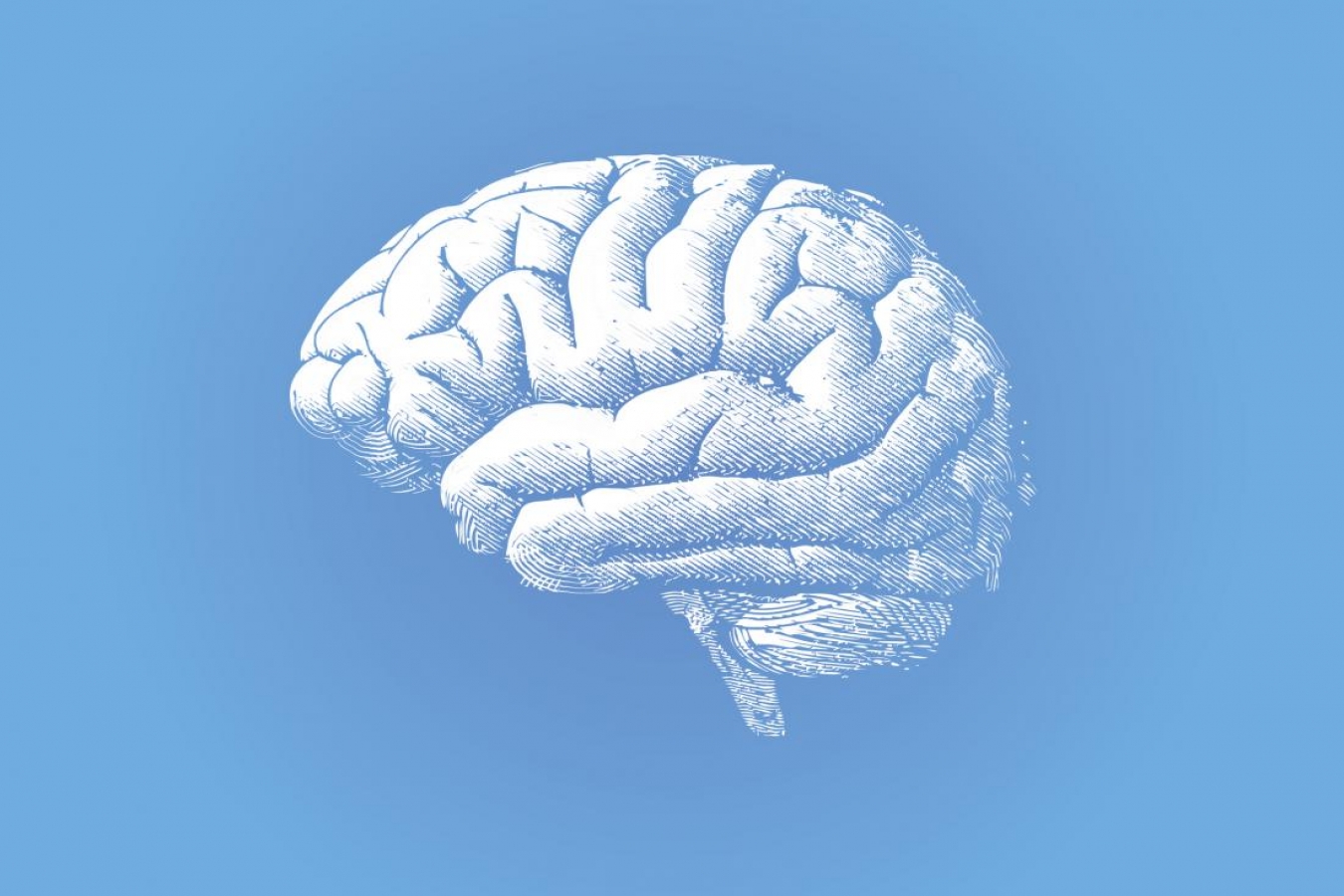
Laboratory and animal studies have suggested that the leukemia drug nilotinib could alleviate symptoms of Parkinson's disease. Now, using early results from a clinical trial in humans, scientists have worked out how the drug reduces toxic protein and raises dopamine levels in the brain.
Loss of dopamine, a brain chemical that helps to control movement, is one of the main hallmarks of Parkinson's disease. Another is the presence in the brain of Lewy bodies containing toxic clumps of the protein alpha-synuclein.
The toxic alpha-synuclein clumps interfere with the brain's ability to use dopamine from the little pockets, or vesicles, that store it.
Researchers at Georgetown University Medical Center (GUMC) in Washington, DC, examined the effects of a single dose of nilotinib on the volunteers taking part in the trial. They found that it reduced the toxic alpha-synuclein that stops the brain from utilizing the dopamine in the vesicles.
They report their findings in a paper that now features in the journal Pharmacology Research & Perspectives.
Senior study author Dr. Charbel Moussa, who is scientific and clinical research director of GUMC's Translational Neurotherapeutics Program, says that their findings are "unprecedented for any drug now used to treat Parkinson's disease."
"We detect the drug in the brain producing multiple effects," he adds, "including improving dopamine metabolism — reducing both inflammation and toxic alpha-synuclein."
The phase II clinical trial is not due to complete for another year, so it is too early to say how safe or effective the drug might be for people with Parkinson's disease.
The purpose of this early study was to find out how a single dose of the drug alters the biochemistry of the brain and its mechanisms.
Parkinson's disease and dopamine
Parkinson's disease is a brain condition that primarily affects movement and worsens over time. The main symptoms are stiffness, shaking, impaired coordination and balance, and difficulty with walking and talking.
People with Parkinson's disease may also experience changes in thinking and behavior, fatigue, depression, disrupted sleep and memory, emotional changes, constipation, skin complaints, and urinary problems.
According to the Parkinson's Foundation, almost 1 million people in the United States will have Parkinson's disease by 2020.
The disease most often strikes after the age of 60, but it can also affect younger people.
No two individuals with Parkinson's disease will have the same pattern and progression of symptoms. Detecting or diagnosing the disease is often difficult because people can attribute some of the changes to aging.
Dr. Moussa explains that, in the absence of Parkinson's disease, dopamine-producing cells in the brain release the compound into vesicles. Alpha-synuclein helps to maintain the brain's supply of dopamine in these pockets.
Toxic alpha-synuclein
However, in Parkinson's disease, the dopamine-producing cells start to make a toxic form of alpha-synuclein that cannot do the job. Eventually, this leads to the malfunction and then death of the dopamine cells.
In their investigation, Dr. Moussa and his team found that the effect of nilotinib was to promote immune cells to deal with the toxic alpha-synuclein, allowing the healthy form to get on with its job.
They tested samples of blood and cerebrospinal fluid from the volunteers in the trial after they had received a single dose of treatment.
The volunteers, who all had Parkinson's disease, were in five groups. Four of the groups received different doses of nilotinib, and the fifth group received a harmless placebo.
In the cerebrospinal fluid samples, the researchers checked the levels of dopamine metabolites (compounds that dopamine breaks down into), as well as indicators of inflammation response. Higher levels of dopamine metabolites suggest that the brain is using more dopamine.
The tests found higher levels of dopamine metabolites in those who received the nilotinib compared with those who received the placebo.
"When the drug is used," Dr. Moussa explains, "levels of these breakdown molecules quickly rise."
The researchers found that the optimum dose of nilotinib for increasing use of dopamine was 200 milligrams (mg), which was also the dose that significantly increased the immune response to inflammation. This could be because the immune system is more actively targeting and removing the toxic form of alpha-synuclein.
Drug acts on people's own dopamine process
Dr. Moussa says that the optimum dose for raising dopamine activity fits "neatly" with that for increasing the immune response.
Findings from earlier studies had already suggested, he remarks, that nilotinib appeared to spur both immune cells and brain cells to target the toxic alpha-synuclein, creating room for the healthy version to release the stored dopamine.
In addition, the team found that the dose of nilotinib that led to the most significant drop in blood levels of alpha-synuclein was 150 mg. Many people who have Parkinson's disease also have high blood levels of alpha-synuclein, which can be toxic.
Taken together, the results would suggest that nilotinib reduces toxic alpha-synuclein and inflammation in the brain, while at the same time preserving dopamine and the cells that produce it.
"This is exciting because this kind of potential treatment for Parkinson's could increase use of a patient's own dopamine instead of using or periodically increasing drugs that mimic dopamine." – Dr. Charbel Moussa
By Catharine Paddock PhD, Medical News Today
Reality Of Islam |
|

Researchers

New phononi

For more th

A new polym
 9:3:43
2018-11-05
9:3:43
2018-11-05
10 benefits of Marriage in Islam
7:5:22
2019-04-08
benefits of reciting surat yunus, hud &
9:45:7
2018-12-24
advantages & disadvantages of divorce
11:35:12
2018-06-10
6:0:51
2018-10-16
bahlool & the throne of haroun rashid
8:20:35
2018-06-21
2:13:43
2022-05-27
3:42:22
2021-12-24
12:10:56
2022-11-17
8:3:0
2018-06-21
5:57:34
2023-03-18
6:0:8
2023-03-19
5:41:46
2023-03-18
| LATEST |
 HOME
HOME