الوضع الليلي


 6:22:39
  2019-04-08
  1696
1696

A team of NASA researchers, including an Indian-origin scientist has found the surface inside the International Space Station (ISS) is littered with microbes just like in a gym or office on Earth -- threatening astronauts' health at the orbiting laboratory. The knowledge of the composition of the microbial and fungal communities on the ISS can be used to develop safety measures for NASA for long-term space travel or living in space, said the researchers in a paper that appeared in the open access journal Microbiome.
Specific microbes in indoor spaces on Earth have been shown to impact human health.
"This is even more important for astronauts during spaceflight, as they have altered immunity and do not have access to the sophisticated medical interventions available on Earth," said Dr Kasthuri Venkateswaran from the NASA Jet Propulsion Laboratory (JPL) and a corresponding author.
The researchers used traditional culture techniques and gene sequencing methods to analyse surface samples collected in eight locations on the ISS, including the viewing window, toilet, exercise platform, dining table and sleeping quarters, during three flights across 14 months.
This allowed them to examine if and how the microbial and fungal populations differed between locations and over time.
The authors found that while fungal communities were stable, microbial communities were similar across locations but changed over time.
The microbes on the ISS were mostly human-associated. The most prominent bacteria were Staphylococcus, Pantoea and Bacillus.
They included organisms that are considered opportunistic pathogens on Earth, such as Staphylococcus aureus, which is commonly found on the skin and in the nasal passage and Enterobacter, which is associated with the human gastrointestinal tract.
"On Earth, they are predominant in gyms, offices, and hospitals, which suggests that the ISS is similar to other built environments where the microbiome is shaped by human occupation," the study noted.
There are currently six astronauts on board the International Space Station.
Whether these opportunistic bacteria could cause disease in astronauts on the ISS is unknown. This would depend on a number of factors, including the health status of each individual and how these organisms function while in the space environment.
"Regardless, the detection of possible disease-causing organisms highlights the importance of further studies to examine how these ISS microbes function in space," said Dr Checinska Sielaff, the study's first author.
The study provides the first comprehensive catalogue of the bacteria and fungi found on surfaces in closed space systems and can be used to help improve safety measures that meet NASA requirements for deep space human habitation.
"The results can also have significant impact on our understanding of other confined built environments on the Earth such as clean rooms used in the pharmaceutical and medical industries," said Dr Venkateswaran.
Reality Of Islam |
|
Researchers
New phononi
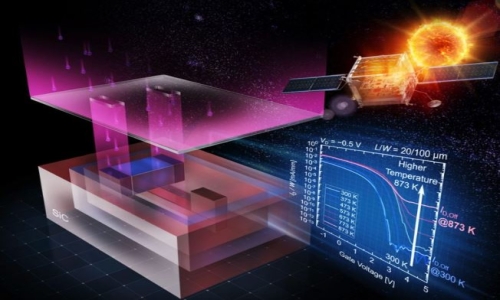
For more th
A new polym
 9:3:43
2018-11-05
9:3:43
2018-11-05
10 benefits of Marriage in Islam
7:5:22
2019-04-08
benefits of reciting surat yunus, hud &
9:45:7
2018-12-24
advantages & disadvantages of divorce
11:35:12
2018-06-10
6:0:51
2018-10-16
12:10:56
2022-11-17
7:59:14
2018-06-21
12:47:1
2022-12-20
3:43:50
2022-11-05
2:42:26
2023-02-02
6:14:17
2018-06-21
1:34:8
2022-02-01
5:41:46
2023-03-18
| LATEST |
 HOME
HOME