الوضع الليلي


 6:13:49
  2019-07-07
  1680
1680
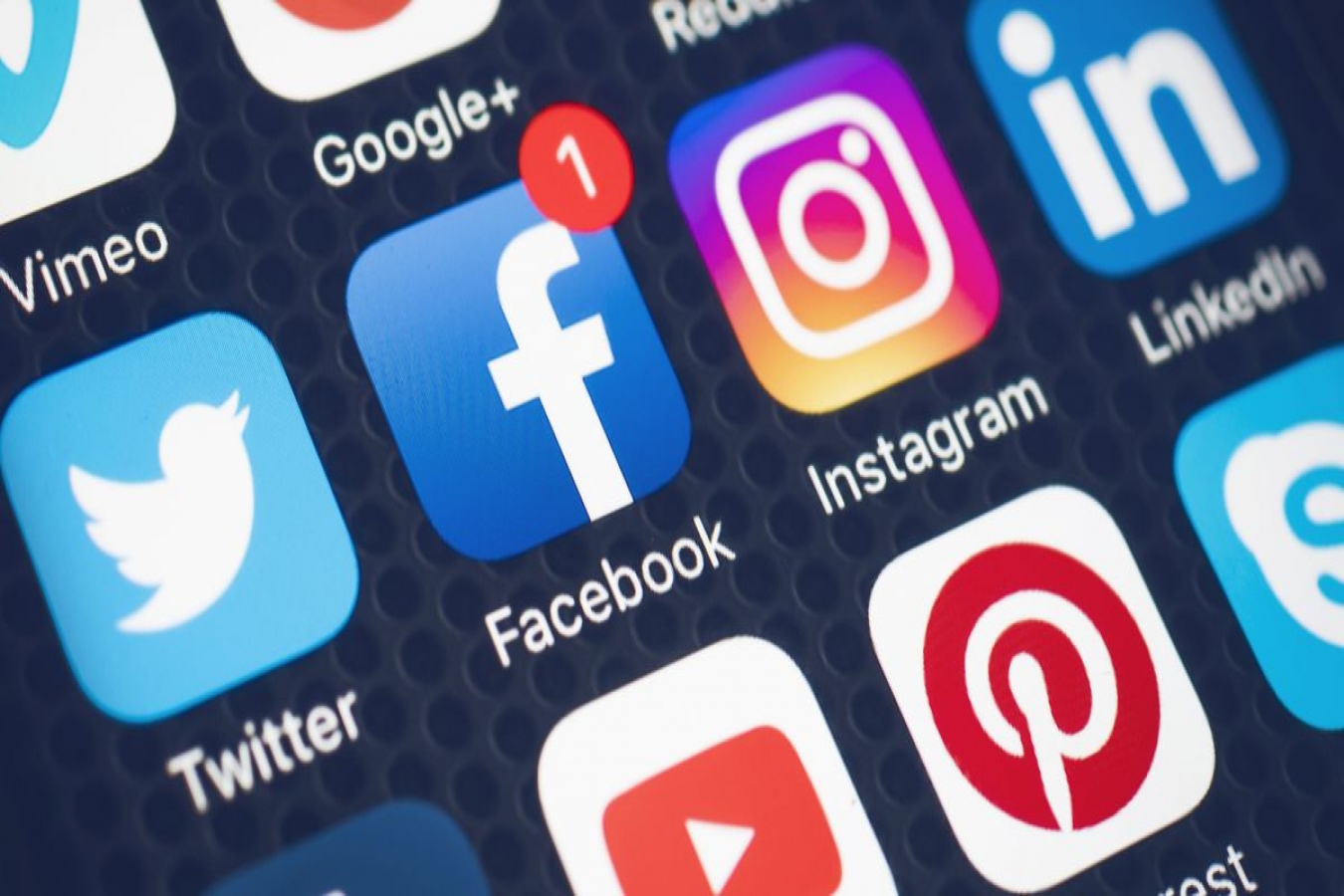
It is a common belief that using social media platforms can adversely affect people's mental health, but new research has shown that using these networking sites can reduce an adult's risk of experiencing depression or anxiety.
Facebook's reputation has sunk in recent years for a variety of reasons, including its role in the 2016 elections and the recent data breach.
In addition, studies have suggested that social media can cause psychological distress, loneliness, and depression. For example, research from 2019 suggested that quitting Facebook may improve overall well-being.
However, a 2018 study on the use of social media by undergraduates found that limiting social media use to approximately 30 minutes per day may improve mental health.
Now, Keith Hampton, who is a professor of media and information at Michigan State University in East Lansing, has analyzed the effects of Facebook use on adults to challenge the claim that social media platforms are contributing to a mental health crisis in the United States. The results appear in the Journal of Computer-Mediated Communication.
According to the National Institute of Mental Health, almost 50 million adults in the U.S. live with a mental illness. These illnesses include many different conditions, such as depression and anxiety, which vary from mild to severe.
Analyzing Facebook's effect on adults
Prof. Hampton believes that the problem with previous studies is that they focused on college students and other young people.
Many people experience emotional turmoil during these life stages, and this, rather than technology use specifically, could influence research findings.
"Taking a snapshot of the anxiety felt by young people today and concluding that a whole generation is at risk because of social media ignores more noteworthy social changes, such as the lingering effects of the Great Recession, the rise in single-child families, older and more protective parents, more kids going to college, and rising student debt," says Prof. Hampton.
Prof. Hampton had access to 2015 and 2016 data from thousands of adults who were participating in the Panel Study of Income Dynamics (PSID), which is the "world's longest-running household panel survey." As part of the PSID, participants answered a series of questions about their use of social media and its effects on their mental health.
The unique structure of the PSID made it possible to analyze the relationships between family members. In total, 5,129 people answered these questions in both 2015 and 2016, and 3,790 of these individuals had extended-family members who also completed both surveys.
In addition, Prof. Hampton was able to test the hypothesis relating to social causation, which he thinks previous research ignored. Social causation takes into consideration all those social factors that can influence mental health outside of the individual's control, such as having a lower socioeconomic status.
The findings showed that 63% of social media users were less likely to experience mental health issues, such as depression and anxiety, than those not using these sites. Prof. Hampton suggests that this is because social media made it easier for them to stay in touch with extended family members and to access health information.
Psychological distress and social factors
The survey asked participants how often they used communication technologies, and they responded using a five-point scale, selecting either "every day," "a few times a week," "once a week," "less than once a week," or "never."
The participants also responded to questions about their mental health, including their experience of symptoms of psychological distress. Again, they responded using a five-item scale that ranged from "all of the time" to "none of the time."
The results showed that certain groups of adults were more likely to experience higher levels of psychological distress. These people included women, black or African American people, and Hispanic people. Having less education, family income, or residential stability also increased people's risk, as did being unmarried.
Other key findings showed that a person's mental health could affect the psychological distress that a family member experienced if both individuals were on the same social media site.
The effect of communication technologies also varied depending on the preferred communication platform and the extent of its use.
"Today, we have these ongoing, little bits of information popping up on our cell phones and Facebook feeds, and that ongoing contact might matter for things like mental health." Prof. Keith Hampton
Reality Of Islam |
|

Researchers

New phononi

For more th

A new polym
 9:3:43
2018-11-05
9:3:43
2018-11-05
10 benefits of Marriage in Islam
7:5:22
2019-04-08
benefits of reciting surat yunus, hud &
9:45:7
2018-12-24
advantages & disadvantages of divorce
11:35:12
2018-06-10
6:0:51
2018-10-16
allah will not answer all your prayers
6:56:28
2022-01-01
2:11:12
2022-10-15
1:34:8
2022-02-01
8:4:21
2022-01-08
the happy life of mankind requirement
6:36:36
2022-01-25
4:25:57
2023-02-11
8:39:51
2022-09-23
5:41:46
2023-03-18
| LATEST |
 HOME
HOME