الوضع الليلي


 5:24:35
  2019-09-11
  1824
1824
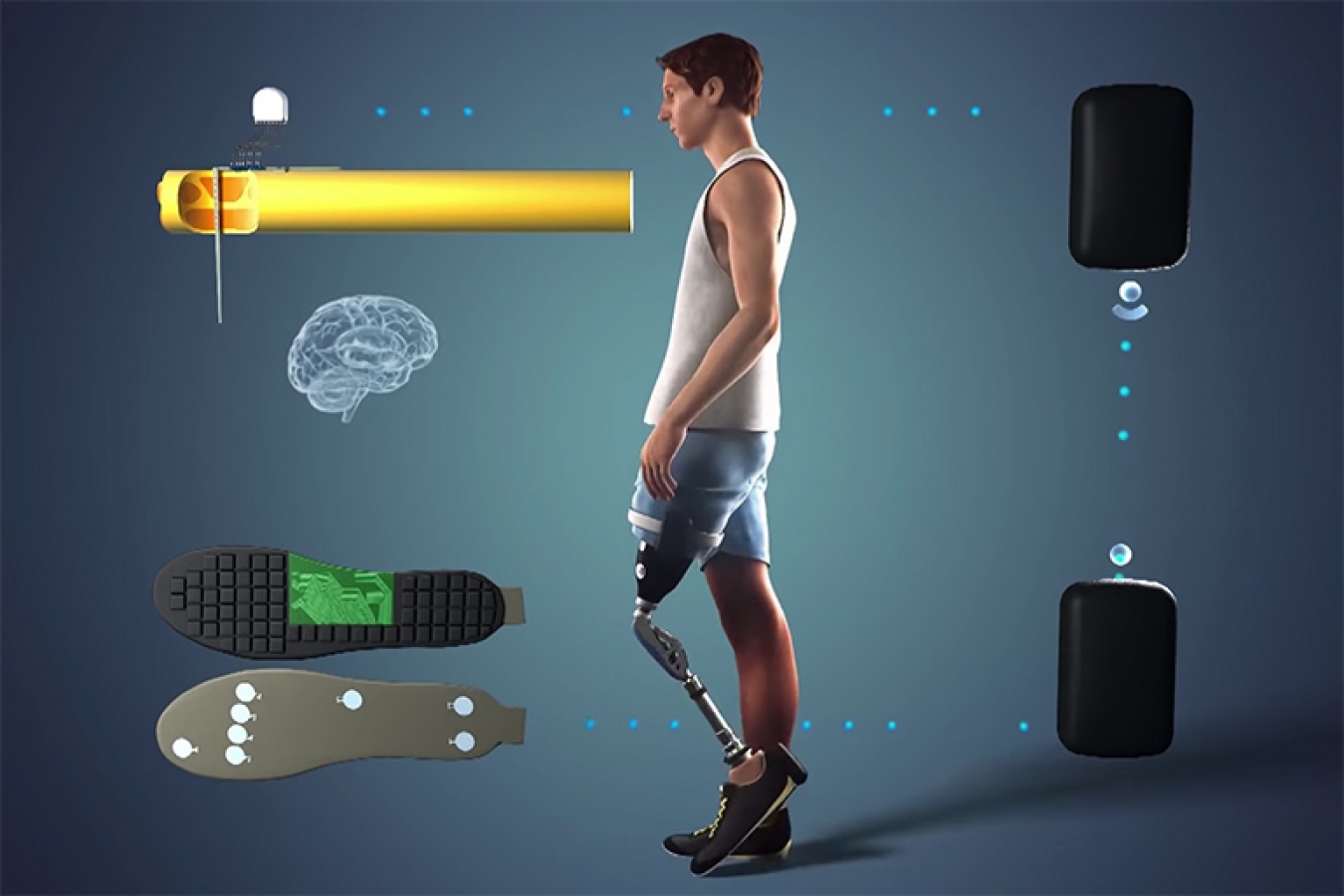
Today’s prosthetic legs come in a variety of designs, but they lack the ability to give users a natural sense of themselves. They feel simply like man-made devices strapped to the stump, as tools and not as part of the body of whoever wears them. Researchers from ETH Zurich, University of Freiburg, University of Belgrade, and the companies SensArs and Össur, have combined their expertise in a variety of topics to give existing commercial prosthetic legs a sense of touch.
SensArs, a Swiss firm, is behind an interface that can link a prosthesis with residual nerves in the thigh and create a neurofeedback mechanism. Two patients with an above-the-knee amputation had the neurostimulation system implanted at the University of Belgrade. Following calibration and after a period of initial usage, the two volunteers demonstrated significant improvements in their walking ability, including traversing a sandy surface with a much more natural gait.
“This proof-of-concept study shows how beneficial it is to the health of leg amputees to have a prosthesis that works with neural implants to restore sensory feedback,” said Stanisa Raspopovic, a Professor at the Institute of Robotics and Intelligent Systems at ETH Zurich.
A commercially available leg from Össur was used, which was outfitted with pressure sensors on its sole, as well as around the knee to know where in the gait the leg is at all times. The electrodes and neurostimulator were then implanted into the volunteers and the tissues were allowed to heal around.
Subsequently, the researchers studied which signals best match the natural feeling of walking and allowed those to be transmitted to the neurostimulator and onto the residual nerves toward the brain. The volunteers were able to sense their legs and didn’t have to constantly look at them to make sure everything was going well. Moreover, they spent a lot less energy walking, as measured by oxygen consumption, and mentally they were not as tired, as confirmed by measuring brain activity.
One not entirely surprising finding, but a very welcome one, is that phantom limb pain was significantly reduced in one of the volunteers and completely gone in the other. As this affects a great deal of amputees, the new technique may be used to treat that condition.
Reality Of Islam |
|
Researchers
New phononi
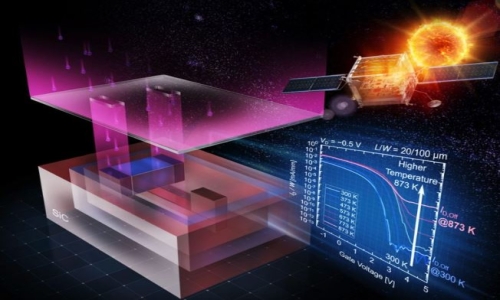
For more th
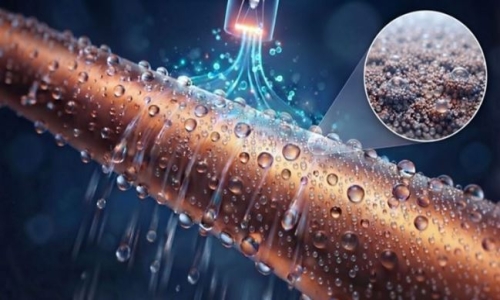
A new polym
 9:3:43
2018-11-05
9:3:43
2018-11-05
10 benefits of Marriage in Islam
7:5:22
2019-04-08
benefits of reciting surat yunus, hud &
9:45:7
2018-12-24
advantages & disadvantages of divorce
11:35:12
2018-06-10
6:0:51
2018-10-16
9:50:37
2023-02-28
8:25:12
2022-03-09
3:18:29
2022-12-24
4:26:43
2022-02-21
6:0:8
2023-03-19
2:5:14
2023-01-28
7:45:39
2018-06-21
5:41:46
2023-03-18
| LATEST |
 HOME
HOME