الوضع الليلي


 10:13:38
  2019-11-03
  1718
1718
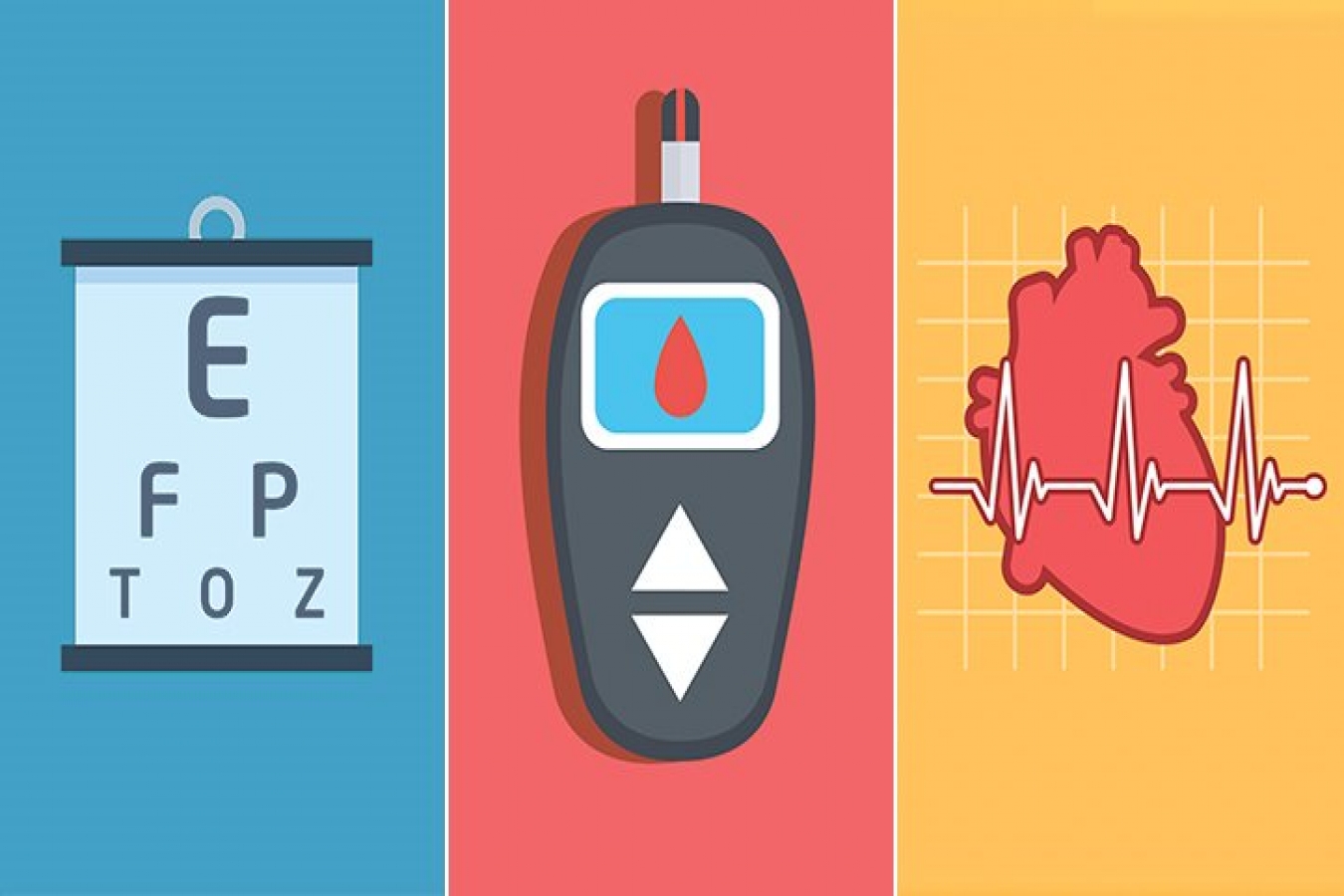
New research studies the association between environmental quality in over 3,000 United States counties and finds intriguing differences between rural and urban areas.
Estimates indicate that over 30 millionTrusted Source people in the United States are currently living with type 2 diabetes, and another 84 million are living with prediabetes.
Complications from diabetes are the leading cause of adult blindness, kidney failure, and amputations.
Type 2 diabetes has witnessed a rapid increase in the last few years. Between 2002 and 2012, the condition increased by 4.8% each year in the U.S.
When added to a genetic predisposition, diet and insufficient physical activity account for a lot of this increase. But, are these two risk factors the only environmental influences that explain the rising trend of diabetes in the U.S.?
New research set out to examine if environmental factors in rural and urban areas also play a role. Dr. Jyotsna Jagai, a research assistant professor of environmental and occupational health sciences at the University of Illinois at Chicago (UIC) School of Public Health, is the first author of the new study.
Dr. Jagai and the team examined people in 3,134 counties across the U.S. and published their findings in the Journal of Diabetes Investigation.
Environmental quality and diabetes risk
The researchers wanted to measure the cumulative environmental effects on the risk of developing type 2 diabetes. To this end, they developed an Environmental Quality Index (EQI), which included data on the quality of the air, water, and land, as well as sociodemographic factors in a given area.
Sociodemographic factors included average household income, education, violent crime rates, or property crime rates.
The EQI also included so-called built domain factors. That is, how many fast-food restaurants were in an area, how many fatal accidents occurred, and how many highways, roadways, or public housing units there were.
Dr. Robert Sargis, study co-author and UIC associate professor of endocrinology, diabetes, and metabolism in the College of Medicine, explains the scientific value of using the EQI.
He says, "The EQI's cumulative assessment is unique [...] In most studies, we are not looking at the combination of factors. We look at single chemicals or single classes of chemicals and how they are associated with disease risk."
"This study pulls together all of the factors we think increase risk and puts them into a single measure to look at the cumulative environment."
Environmental factors in rural and urban areas
The results of this analysis showed that overall, a poorer environmental quality had links with a higher prevalence of type 2 diabetes.
The research linked inferior air quality and built and sociodemographic factors with a higher risk of diabetes in rural areas. However, in urban areas, the researchers associated only air and sociodemographic factors with diabetes risk.
"There might be something happening in rural areas that is different than in urban areas. Our findings suggest that environmental exposures may be a bigger factor in rural counties than in urban areas in the U.S.," explains Dr. Jagai.
The authors mention that the findings confirm previous studies that found an increased risk of diabetes in urban areas with poor air quality, or studies that showed changes in air quality might raise insulin resistance. But, say the researchers, environmental influence is so much more than pollution.
Reality Of Islam |
|

Researchers

New phononi

For more th

A new polym
 9:3:43
2018-11-05
9:3:43
2018-11-05
10 benefits of Marriage in Islam
7:5:22
2019-04-08
benefits of reciting surat yunus, hud &
9:45:7
2018-12-24
advantages & disadvantages of divorce
11:35:12
2018-06-10
6:0:51
2018-10-16
3:42:22
2021-12-24
6:0:8
2023-03-19
7:59:14
2018-06-21
5:58:12
2021-12-18
1:38:41
2021-12-08
12:10:56
2022-11-17
8:39:51
2022-09-23
5:41:46
2023-03-18
| LATEST |
 HOME
HOME