الوضع الليلي


 3:43:5
  2023-10-14
  1917
1917
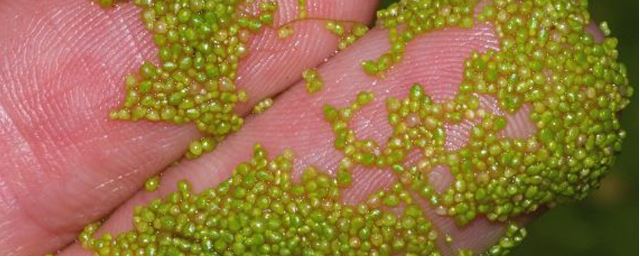
Astronauts need to eat, and they need to breathe. That means, for long-duration missions, they are going to need to bring plants with them.
But not all plants are created equal, and not all can survive the harsh conditions of space. One that might thrive on long spacefaring voyages also happens to be the smallest flowering plant on Earth.
It's called watermeal.
Measuring less than 1 millimeter across, watermeal is an aquatic plant that floats atop bodies of water throughout Asia, including Thailand, where a research team at Mahidol University is putting the tiny plant through its paces.
Their goal is to test watermeal's durability in harsh conditions, particularly with respect to extreme gravity.
"We wanted to model how plants respond to changing gravity levels," says lead researcher Tatpong Tulyananda.
"Because watermeal doesn't have any roots, stems or leaves, it is basically just a sphere floating on a body of water. That means we can focus directly on the effects that gravity shifts will have on its growth and development."
If it proves able to handle harsh conditions, watermeal might find a place as a staple for future astronauts. It pumps out plenty of oxygen through photosynthesis, and it has substantial nutritional value: the plant is high in protein and is commonly served on Earth in soups and salads.
To run their zero g experiments, the team has been using clinostats: devices that take advantage of rotation to cancel out the force of gravity and therefore simulate microgravity.
The early results were promising: watermeal seems to grow as well in microgravity as it does at 1g.
But the team also wanted to see how watermeal fares in strong gravity, so they brought their samples to ESA's Large Diameter Centrifuge (LDC) in the
Netherlands. The LDC can spin up to 67 revolutions per minute and features six compartments that can hold up to 80 kilograms each.
In the centrifuge, the watermeal plants were spun up until they reached 20g, at which point they were left to grow under simulated sunlight.
Because watermeal goes through its entire lifecycle in 5-10 days, just a few weeks of experimentation gave the researchers data across multiple generations of the plant.
"What we do next is examine the plants directly, then render extracts into a solid pellet form that we will take home to study. Then we can put these samples through detailed chemical analysis to gain insights into the broad spectrum of watermeal's hypergravity response," says Tatpong.
The team is optimistic about watermeal's suitability for future space missions.
"You consume 100 percent of the plant when you eat it, so it holds promise in terms of space-based agriculture," says Tatpong.
Reality Of Islam |
|
Two experim
Changing a
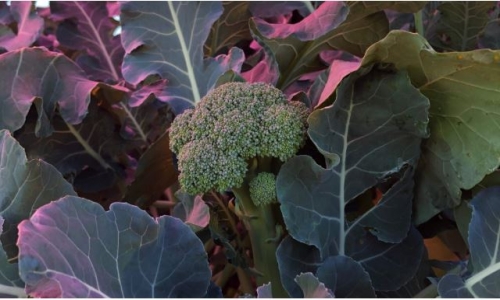
Plants are
After spend
 9:3:43
2018-11-05
9:3:43
2018-11-05
10 benefits of Marriage in Islam
7:5:22
2019-04-08
benefits of reciting surat yunus, hud &
9:45:7
2018-12-24
advantages & disadvantages of divorce
11:35:12
2018-06-10
6:0:51
2018-10-16
3:18:29
2022-12-24
7:34:7
2023-02-28
allah will not answer all your prayers
6:56:28
2022-01-01
12:47:1
2022-12-20
the happy life of mankind requirement
6:36:36
2022-01-25
10:43:56
2022-06-22
6:28:21
2022-12-20
5:41:46
2023-03-18
| LATEST |
 HOME
HOME