الوضع الليلي


 5:37:19
  2024-01-04
  2016
2016

A green honeycreeper (Chlorophanes spiza) with male plumage on one half of its body and female coloring on the other has been caught for the first time on camera, with the only other known record being over a century ago.
The striking-looking bird has shimmering, aqua-blue and yellow-green feathers, with a clear boundary in the middle. This differs from the typical males of this species, which are bright blue with a black head, and the females, which are grass-green all over.
Amateur ornithologist John Murillo spotted the unusual creature at a bird-feeding station on a small farm in a nature reserve near Manizales, Colombia.
He pointed out the extraordinary bird to Hamish Spencer, a professor of zoology at New Zealand's University of Otago, who was on holiday in Colombia at the time.
The unusual split in this bird's coloring is caused by bilateral gynandromorphism, which in birds is thought to be the result of an error in the cell division that creates an egg, allowing for fertilization by two different sperm.
"Many birdwatchers could go their whole lives and not see a bilateral gynandromorph in any species of bird," says Spencer.
"The phenomenon is extremely rare in birds, I know of no examples from New Zealand ever. It is very striking, I was very privileged to see it."
Over 21 months, the bird regularly returned to feed on the fresh fruit and sugar water left out each day by the owners of the farm.
"The bird was not present every day, however. Indeed, it appeared to stay in the vicinity for periods of about 4–6 weeks and then vanish for another 8 weeks or so," reported the authors.
The gynandromorphic bird would usually wait for the other birds to leave before approaching.
"In general, it avoided others of its species, and the others also avoided it; it seems unlikely, therefore, that this individual would have had any opportunity to reproduce," wrote the authors.
As birds don't have sex hormones that flood their entire body as they do in humans, it's likely the internal organs of this bird were also divided down the middle into male and female – something that is impossible to confirm by sight alone.
Bilateral gynandromorphism is one of the delights of the animal kingdom, and has been seen in spiders' songbirds, butterflies' lobsters' chickens and stick insects.
We should "treasure exceptions" in nature and always "be on the lookout for oddities", says Spencer.
Reality Of Islam |
|

Two experim
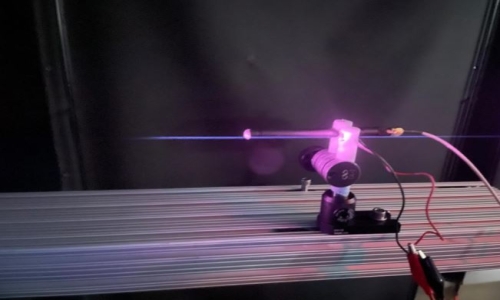
Changing a
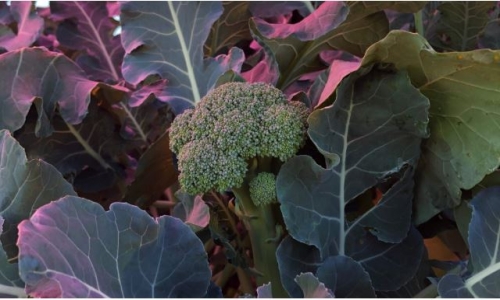
Plants are

After spend
 9:3:43
2018-11-05
9:3:43
2018-11-05
10 benefits of Marriage in Islam
7:5:22
2019-04-08
benefits of reciting surat yunus, hud &
9:45:7
2018-12-24
advantages & disadvantages of divorce
11:35:12
2018-06-10
6:0:51
2018-10-16
allah will not answer all your prayers
6:56:28
2022-01-01
2:11:12
2022-10-15
6:28:21
2022-12-20
7:6:7
2022-03-21
7:26:19
2022-04-08
11:11:59
2023-02-01
1:38:41
2021-12-08
5:41:46
2023-03-18
| LATEST |
 HOME
HOME