الوضع الليلي


 3:43:27
  2024-09-01
  1627
1627
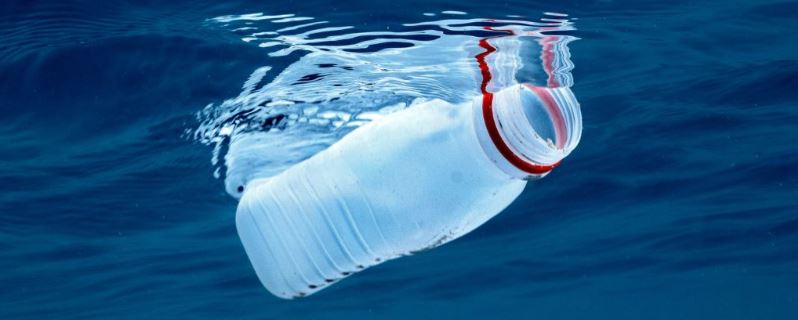
Scientists have created a 'living plastic' that self-destructs when the material begins to erode.
In the composting process, the novel product breaks down within a month, compared with more traditional versions that take up to 55 days to decompose under the same conditions.
The hopeful technology was inspired by the power of plastic-munching proteins, which are naturally produced by a species of bacteria discovered in 2016 at a recycling facility in Japan.
In the years since scientists have found several other species of bacteria that have evolved the enzymes to eat plastic, and these natural proteins have inspired synthetic versions that are even hungrier for our waste.
Researchers at the Chinese Academy of Sciences (CAS), led by synthetic biologist Chenwang Tang, have now figured out how to bake bacterial spores that secrete these enzymes into the very structure of polycaprolactone (PCL) plastic.
That way, when the plastic begins to degrade, these newly freed enzymes can finish off the task.
Being large, complex proteins, enzymes are often unstable or even fragile. So the researchers engineered the gene for a lipase enzyme from the bacterium Burkholderia cepacia (BC) into the DNA of another microbe called Bacillus subtilis, which in spore form is resistant to high temperatures and pressures.
As the surface of the plastic erodes, the liberated spores begin to germinate. The growing B. subtilis then expresses its copy of BC-lipase, which sets to work almost completely degrading the PCL molecules.
When a second lipase produced by the yeast Candida antarctica was used to speed up the process, the plastic degraded within a week, Tang and his colleagues at CAS found. By contrast, traditional PCL plastics treated the same way still persist after three weeks.
The temperatures and pressures required to create PCL aren't as extreme as the conditions required for other plastics. To test whether the spores could survive the processing needed to create other plastics, researchers at CAS engineered the bacteria to express fluorescent markers.
Plastic products tested include PBS (polybutylene succinate), PBAT (polybutylene adipate-co-terephthalate), PLA (polylactic acid), PHA (polyhydroxyalkanoates), and even PET (polyethylene terephthalate) plastic, which requires temperatures as high as 300 oC. When physically degraded or boiled, the spore-embedded plastics began to glow.
This suggests the spores survive the 'baking process' and release their contents when erosion is triggered just as planned.
"The living plastics remained stable when soaked in soda (Sprite) for 60 days, suggesting their potential use as packaging materials," add the research team at CAS.
The plastics were also able to "thoroughly disintegrate without the addition of antibiotics, underscoring the robustness of the system."
While the study is just a proof of concept, it's an intriguing solution to the growing problem of plastic pollution.
In the last two decades or so, plastic manufacturing has doubled, and yet at the same time, it's becoming all to clear just how big a problem plastic products pose to the environment.
The team from CAS hopes their new technique will one day inspire sustainable, biodegradable materials that don't pollute our planet for centuries after just a single use.
Reality Of Islam |
|
Researchers
New phononi
For more th
A new polym
 9:3:43
2018-11-05
9:3:43
2018-11-05
10 benefits of Marriage in Islam
7:5:22
2019-04-08
benefits of reciting surat yunus, hud &
9:45:7
2018-12-24
advantages & disadvantages of divorce
11:35:12
2018-06-10
6:0:51
2018-10-16
11:2:27
2022-10-06
10:35:40
2022-05-26
5:57:34
2023-03-18
10:55:53
2022-06-13
10:43:56
2022-06-22
8:21:9
2018-06-21
4:2:19
2022-10-10
5:41:46
2023-03-18
| LATEST |
 HOME
HOME