الوضع الليلي


 2:32:42
  2024-12-16
  1615
1615
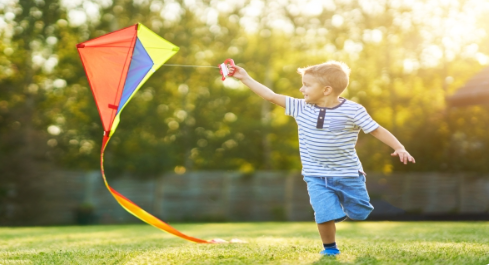
Play is a free, non-imposed activity, i.e. the individual does it on his own free will and can stop it by his will. It is also a directed or undirected activity in which the body's kinetic and mental energy is exploited. Play has many benefits and effects for children, including:
First: In raising the body:
Play is an important factor, and has a basic and constructive role in the growth and raising of the body, and can be considered a sport for the child's body parts, as it opens the way for physical maturity, and works to strengthen and build the body's organs and muscles.
Running, movement, climbing, and swimming all lead to strengthening the joints and muscles, and are part of the body's needs and are consistent with the growth of its organs.
Second: In finding skill and strength:
Play is an important factor and a reason for experimentation, acquiring and developing skills, and an introduction to success in subsequent activities, and can open up a wide field for the child's subsequent successes. Play helps to gradually stimulate the child's senses, leads to the proportionality of strength growth, and gives children the ability to learn experiences and gain experience, which in itself is a factor in creating confidence and self-reliance.
Third: Knowing oneself:
Play has this benefit for the child, which is that it helps him to know himself gradually, and makes him realize the circumstances and situation he is in, and what are his weaknesses and strengths, and when can or should he take a certain position? Which dimensions should he resort to strengthening? And how can he compensate for the cases of backwardness or deficiencies he suffers from?
Fourth: Educating the mind:
Play is a means of growth and mental education. The child's positions in front of different issues and matters are a factor that helps crystallize his subsequent efforts to solve problems. In general, games are a type of thinking for the child. The child also resorts during play, especially in the years (from two to six years old), to highlighting his ideas in the form of actions, and develops this trend, and as a result, he becomes stronger and more skilled in the context of practicing play.
Fifth: Control over himself:
Play is a means and a reason that leads to the child's control over himself and his limbs. The skills that children acquire during play clarify the following result for the child: How to use his limbs, when to extend his hand, and to what extent? When to rush and at what rate? When to stop? How to stand while running? And during screaming and noise, when and where to calm down?
Reality Of Islam |
|

Keeping sil

Two experim
Changing a
Plants are
 9:3:43
2018-11-05
9:3:43
2018-11-05
10 benefits of Marriage in Islam
7:5:22
2019-04-08
benefits of reciting surat yunus, hud &
9:45:7
2018-12-24
advantages & disadvantages of divorce
11:35:12
2018-06-10
6:0:51
2018-10-16
8:19:41
2018-06-21
2:33:4
2023-02-15
3:42:22
2021-12-24
12:47:1
2022-12-20
7:34:7
2023-02-28
6:0:8
2023-03-19
2:11:12
2022-10-15
5:41:46
2023-03-18
| LATEST |
 HOME
HOME