الوضع الليلي
0
Avoid Weight Creep
11:14:8 2025-01-07 1157

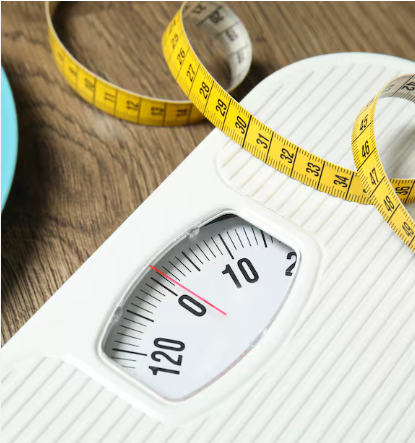
As we enter a new year armed with resolutions to improve our lives, there's a good chance we'll also be carrying something less helpful: extra kilos. At least half a kilogram (about 1.1 pounds), to be precise.

'Weight creep' doesn't have to be inevitable. Here's what's behind this sneaky annual occurrence and some practical steps to prevent it.

Small gains add up

Adults tend to gain weight progressively as they age and typically gain an average of 0.5 to 1 kilogram every year.

While this doesn't seem like much each year, it amounts to 5 kilograms over a decade. The slow-but-steady nature of weight creep is why many of us won't notice the extra weight gained until we're in our fifties.

Why do we gain weight?

Subtle, gradual lifestyle shifts as we progress through life and age-related biological changes cause us to gain weight. Our:

  • activity levels decline. Longer work hours and family commitments can see us become more sedentary and have less time for exercise, which means we burn fewer calories
  • diets worsen. With frenetic work and family schedules, we sometimes turn to pre-packaged and fast foods. These processed and discretionary foods are loaded with hidden sugars, salts and unhealthy fats. A better financial position later in life can also result in more dining out, which is associated with a higher total energy intake
  • sleep decreases. Busy lives and screen use can mean we don't get enough sleep. This disturbs our body's energy balance, increasing our feelings of hunger, triggering cravings and decreasing our energy
  • stress increases. Financial, relationship and work-related stress increases our body's production of cortisol, triggering food cravings and promoting fat storage
  • metabolism slows. Around the age of 40, our muscle mass naturally declines, and our body fat starts increasing. Muscle mass helps determine our metabolic rate, so when our muscle mass decreases, our bodies start to burn fewer calories at rest.

We also tend to gain a small amount of weight during festive periods – times filled with calorie-rich foods and drinks, when exercise and sleep are often overlooked.

One study of Australian adults found participants gained 0.5 kilograms on average over the Christmas/New Year period and an average of 0.25 kilograms around Easter.

Foresight   2026-03-24
Reality Of Islam

The Shortest Road to Success

11:26:37   2026-04-18  

False Advantages and Distinctions

11:1:47   2026-04-12  

Honour, from the Islamic Viewpoint

11:37:51   2026-04-08  

Refraining from Humiliation

10:17:9   2026-04-05  

A Mathematical Approach to the Quran

10:52:33   2024-02-16  

mediation

2:36:46   2023-06-04  

what Allah hates the most

5:1:47   2023-06-01  

allahs fort

11:41:7   2023-05-30  

striving for success

2:35:47   2023-06-04  

Imam Ali Describes the Holy Quran

5:0:38   2023-06-01  

livelihood

11:40:13   2023-05-30  

silence about wisdom

3:36:19   2023-05-29  

MOST VIEWS

Importance of Media

9:3:43   2018-11-05

Illuminations

life temptations

10:35:40   2022-05-26

people types

1:34:8   2022-02-01

education importance

7:26:19   2022-04-08

salih & the special camel

8:3:0   2018-06-21

your path

12:10:56   2022-11-17

their choice

11:11:59   2023-02-01


IMmORTAL Words
LATEST Want Less Stress? Landmark Study Points to a Simple Habit What Makes Rubber So Strong? Scientists Finally Solve 100-Year-Old Mystery Most Active Volcano in Europe Just Got Stranger When Teens Focus on TV, Obesity Risk Rises Steadiness in Friendship Interpretation of Sura al-Nur - Verses 41-42 New Research Uncovers Hidden Side Effects of Popular Weight-Loss Drugs Scientists Shrink a Lab Spectrometer to the Size of a Grain of Sand Scientists Raise Concerns Over Newly Recognized Pollutant Found Everywhere in the Air Despite Big Progress, Many Kids Have High Lead Levels in Blood The Shortest Road to Success Interpretation of Sura al-Nur - Verse 40