الوضع الليلي


 3:50:34
  2019-09-16
  1684
1684
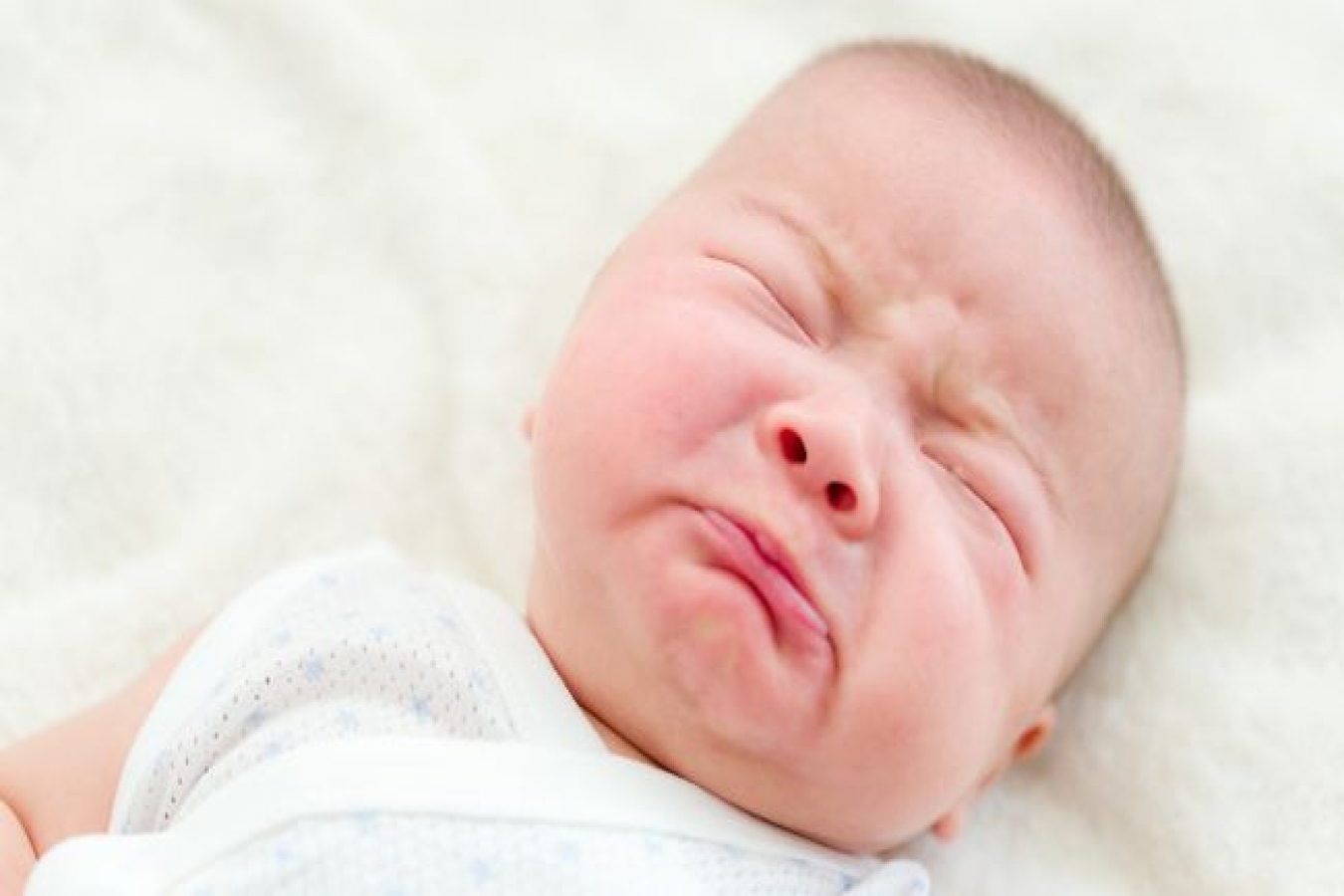
Upon entering the world, a newborn lets out a loud, distinct cry — a sign of health and vigor. It's a cry that new parents will quickly become used to in the coming days and weeks. But if you look closely, you'll see that a newborn's cry is a bit different from an older infant's: there are no tears.
Tears, of course, are necessary to protect the eyes and keep them moist. When faced with extreme emotions such as sadness, anger or even happiness, we cry, said Sage Timberline, a pediatrician at the University of California, Davis, Children's Hospital in Sacramento, California. That temporary stress triggers a fight-or-flight response, which produces tears to further protect the eye. These emotional tears can also help release stress-inducing hormones that may have been building up during tough times; this contributes to that sense of relief that follows a good cry, she told Live Science.
While a baby is born with tear ducts, they're not fully developed yet. They produce enough tears to coat the eye and keep it moist, but not enough to form drops that trickle down those chubby cheeks. After three or four weeks, a baby's tear ducts usually mature enough to form teardrops associated with strong emotions, Timberline said.
A newborn's eyes tend to be dry — and so does its skin. No matter how hot it gets, a newborn hardly sweats for the first couple weeks of its life. That's because the sweat glands aren't yet fully functional.
Humans have two types of sweat glands, called eccrine and apocrine glands, both of which are formed in newborns even if they're not yet producing sweat. Apocrine glands secrete sweat through hair follicles but aren't activated until hormonal changes take place during puberty. While apocrine sweat is odorless at first, it can become smelly. It's filled with water and electrolytes as well as steroids, lipids and proteins — which bacteria can process to produce odors.
Eccrine glands start to form during the fourth month of gestation, appearing first on the fetus's palms and on the soles of its feet. By the fifth month, eccrine glands cover almost the entire body.
After a baby is born, the most active eccrine glands are the ones on the forehead, Timberline said. Soon after, an infant starts sweating on his or her torso and limbs.
Because newborns can't fully sweat, they rely on caregivers to keep them cool. Watch out for signs of overheating, including sweating (since newborns do produce some sweat); warm, flushed skin; rapid breathing; fussiness; and decreased activity of arms and legs, Timberline said. If your baby is too warm, just remove a layer of clothing or use a fan to keep the air circulating.
But once those glands start pumping out sweat, some parents worry that their babies sweat too much when feeding or sleeping, said Katie Ellgass, a pediatrician at Stanford Children's Health Altos Pediatric Associates in Los Altos, California. "Both actions are tough work," she told Live Science. "When feeding, a baby is often close to their caregiver, so body heat is transferring. It's a sweatfest!"
Fortunately, sweaty babies are usually not a concern, Ellgass said. Babies are screened for metabolic diseases and newborn heart problems, so as long as they're gaining weight, baby sweat is … well, nothing to sweat about.
Reality Of Islam |
|

Researchers

New phononi

For more th
A new polym
 9:3:43
2018-11-05
9:3:43
2018-11-05
10 benefits of Marriage in Islam
7:5:22
2019-04-08
benefits of reciting surat yunus, hud &
9:45:7
2018-12-24
advantages & disadvantages of divorce
11:35:12
2018-06-10
6:0:51
2018-10-16
1:38:41
2021-12-08
1:16:44
2018-05-14
12:47:1
2022-12-20
7:34:7
2023-02-28
11:2:27
2022-10-06
10:47:11
2022-11-22
2:42:26
2023-02-02
5:41:46
2023-03-18
| LATEST |
 HOME
HOME