الوضع الليلي


 11:7:57
  2023-05-03
  1900
1900
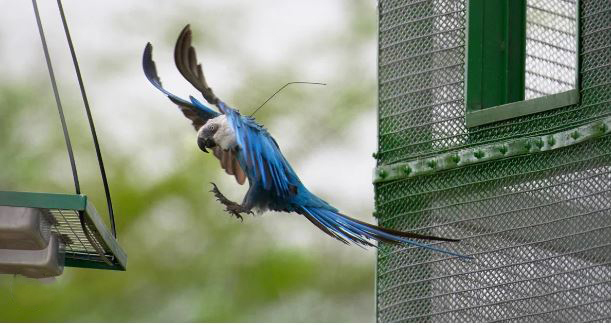
Researchers explore techniques to successfully reintroduce captive birds into the wild
Studies show that some species may require breeding in captivity within the next 200 years to avoid extinction. This reality places heavy importance on the reintroduction practices used to successfully transfer species from captivity to the wild. A new study from George Mason University looks at some of the most popular conservation techniques and identifies which have the highest likelihood of success for the reintroduction of bird species back into the wild.
George Mason doctoral student Jessica Roberts and biology professor Dr. David Luther examined various conservation management methods from the past 50 years to identify the most successful and cost-effective reintroduction strategies.
"Threatened and endangered species bred in zoos aren't really prepared to go live in a wild circumstance with predators and forge for their own food," said Luther. "Everything's given to them and they are protected."
The team identified 91 avian conservation translocation events with first year survival data. Using the data available, they found that exposing animals to wild food before release, releasing animals into a protected area while maintaining their natural environment, and acclimating birds to the release site and providing supplemental feeding after release should all be techniques considered when implementing avian conservation translocation programs. Roberts said that the use of behavior-based management is a relatively new technique in wildlife conservation, so it is important to look broadly at the method's implications before turning to research at a more micro scale.
"I've worked captive-breeding and rearing endangered species and saw that a lot of the time when we released them back to the wild, we did not understand the mechanisms behind why some individuals were thriving and others perished," Roberts said. "The main goal of this research was to look for answers to these survival questions."
While the loss of one bird species out of the thousands that exist may seem small to some, the impact is far greater. Birds help pollinate plants, disperse seeds, and control insect populations. They support larger ecosystems responsible for the fresh water we drink. They influence the proximity of wildlife to villages that ultimately effects the level of risk for pandemics.
Roberts' and Luther's study provides evidence-based support to explore the use of behavior and its management as an influential tool in conservation biology. Their work will help improve avian conservation translocation programs and ultimately save more species from the brink of extinction.
Reality Of Islam |
|

Two experim

Changing a
Plants are

After spend
 9:3:43
2018-11-05
9:3:43
2018-11-05
10 benefits of Marriage in Islam
7:5:22
2019-04-08
benefits of reciting surat yunus, hud &
9:45:7
2018-12-24
advantages & disadvantages of divorce
11:35:12
2018-06-10
6:0:51
2018-10-16
10:35:40
2022-05-26
2:13:43
2022-05-27
12:47:1
2022-12-20
4:25:57
2023-02-11
4:26:43
2022-02-21
6:0:8
2023-03-19
5:58:12
2021-12-18
5:41:46
2023-03-18
| LATEST |
 HOME
HOME