الوضع الليلي


 9:55:49
  2023-05-10
  1431
1431
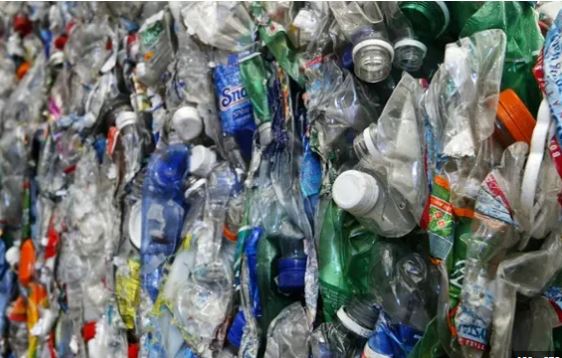
Recycling plastics might be making things worse
A team of environmental engineers at the University of Strathclyde in Scotland and Dalhousie University Halifax in Canada has found that techniques for recycling plastics may inadvertently lead to increased environmental microplastics. In their study, reported in the Journal of Hazardous Materials Advances, the group tested water used to clean plastic at a recycling plant.
By most accounts, plastic recycling efforts have been a resounding failure. Prior research has shown that only 9% of plastic worldwide is recycled—in the U.S., it is only 5%. This is despite millions of people around the world dutifully separating out their plastic bottles; most of them wind up in landfills anyway. And now, it appears that the recycling prosses itself might be making things worse. In this new effort, the research team received permission to test a plastic recycling plant to see if it was emitting plastic pollution.
The problem, the researchers note, is that for plastic to be recycled, it must first be cleaned. This is done by washing it in water several times. The rest of the process involves shredding and melting to create pellets. Prior research has suggested washing may result in the release of microplastics into the water. In this new effort, the group found that the plastic was being washed four times. Each water source was tested to find out how much plastic (in the form of micron-sized particles) remained in the water.
The research team found microplastics in all four sources. They also noted that most of the water is routed to sewage systems or directly into the environment at most recycling plants. After adding up all the particles they observed, the team estimated that the facility could be emitting approximately 6.5 million pounds of microplastics into the environment each year.
But there was more to the story. The researchers revealed that the facility under study had installed a filtration system, which reduced the number of particles by approximately 50%. However, there was a caveat—the researchers only tested for plastics down to 1.6 microns. Plastic particles can be much smaller than that. Prior research has shown that some can be small enough to make their way into individual sells in an animal's body.
Reality Of Islam |
|
Researchers
New phononi
For more th
A new polym
 9:3:43
2018-11-05
9:3:43
2018-11-05
10 benefits of Marriage in Islam
7:5:22
2019-04-08
benefits of reciting surat yunus, hud &
9:45:7
2018-12-24
advantages & disadvantages of divorce
11:35:12
2018-06-10
6:0:51
2018-10-16
8:30:23
2022-03-03
4:25:57
2023-02-11
9:39:36
2022-12-28
allah will not answer all your prayers
6:56:28
2022-01-01
6:0:8
2023-03-19
10:47:11
2022-11-22
8:3:0
2018-06-21
5:41:46
2023-03-18
| LATEST |
 HOME
HOME