الوضع الليلي


 10:36:9
  2024-03-14
  1867
1867
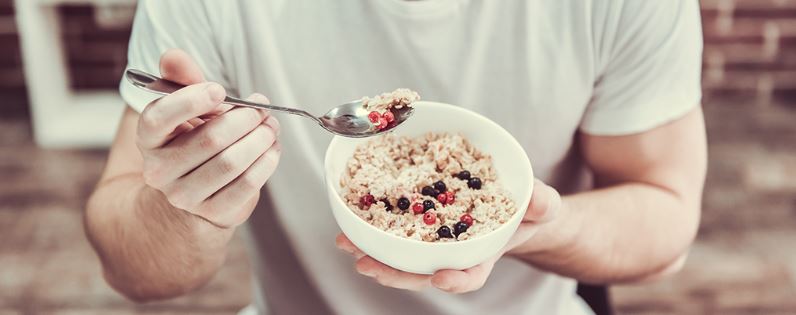
High-protein, low-carb diets have long been considered the gold standard method for gym-goers and bodybuilders aiming to gain muscle and lose fat. But one bodybuilding champion has shown that this might not necessarily be the only way of achieving a great physique.
Mark Taylor, a 52-year-old bodybuilding veteran who in 2023 won the coveted "Mr Universe" title, said in a recent interview that the key to his success was actually embracing carbs.
For years, Taylor religiously stuck to a traditional high protein, low carb diet, yet he felt tired all the time. It wasn't until Taylor abandoned this thinking and his strict diet, to prioritise carbs and more calories, that he finally achieved his dream.
While this strategy might go against the norm, what does the science say?
To shape up and gain muscle you have to train – there's no getting around this. Muscle gains come from progressive overload training, which means either gradually increasing the weight you lift or performing more reps or sets of an exercise.
If the training is demanding enough, muscle adaptations during the recovery period can lead to improvements over time.
More specifically, muscle growth is a balance between two processes: "muscle protein synthesis" (where new muscle tissue is made or repaired) and " muscle protein breakdown" (where muscle tissue is degraded). Because these two processes are always occurring, the rate and balance between them, will affect overall gains.
Appropriate nutrition, alongside structured training, supports these processes. Proteins are essential as they contain amino acids (such as leucine) which provide the building blocks of muscle.
Evidence highlights that daily protein intake alongside eating enough calories may be most important for overall muscle gains. Other nutrients, such as essential fats, vitamins and minerals, are also relevant to the muscle building process. Conversely, consuming fewer calories than your body needs may negatively affect your training.
After training, it has also been shown that consuming 20-40 grams of 'fast releasing' proteins (such as whey protein) may accelerate muscle protein synthesis in the short-term. Many gym goers also consume 'slow releasing' proteins (such as casein protein) before going to sleep to reach daily protein needs or optimise recovery.
While some studies show combining carbs and protein after exercise can lead to increased muscle protein synthesis, other studies show that this is not the case when compared to consuming protein alone. This is because amino acids are key to this process, and carbs simply do not provide these building blocks so cannot directly drive muscle protein synthesis.
But carbs may have an influence on the degree of muscle protein breakdown that happens. This is because carbs trigger the body to produce the hormone insulin, which has been shown to reduce protein breakdown.
However, protein also influences insulin production, creating a similar effect. So if you have sufficient protein post-exercise, you could argue there's no need for additional carbs from a muscle building perspective. So how do we explain Taylor's success?
Many bodybuilders tend to go through a 'bulking' phase, increasing the number of calories they eat daily by around 15 percent or more in an attempt to increase muscle mass. This is followed by a 'cutting' phase to strategically reduce body fat in order to make muscles more visible. Using a low-carb approach can promote fat loss, resulting in a lean physique. This is why many gym enthusiasts and bodybuilders opt for this method.
But low-carb diets also means less energy, which could lead to weakened immunity, greater fatigue and reduced performance. Low-carb diets can also disrupt menstrual function in women, and lower testosterone (needed for muscle development) – particularly in men. So these popular cutting strategies could be detrimental for some people.
Carbohydrates supply us with energy in the form of glucose, which is then stored in the muscle as glycogen for later use. Training in the gym can be demanding, which means we use glycogen stores to fuel us more rapidly.
This allows us to train more intensely, which indirectly influences muscle protein synthesis. If you don't refuel with carbs and continue to train in a low-glycogen state, it may not only affect the muscle-building process, but overall training results.
Choice of carbs also makes a difference. In Taylor's case, choosing sweet potatoes and porridge meant that his diet favoured a lower glycaemic approach.
The glycaemic index (GI) is a measure of how quickly the carbohydrates in a particular food increase blood sugar. Low GI foods (such as porridge) have a slower releasing effect. This not only affects mood, but also leads to sustained energy throughout the day – combating feelings of fatigue while benefiting other aspects of health – such as lowering blood pressure.
But while low GI foods are beneficial over the course of the day, research shows that higher GI foods (such as white pasta, bagels or granola) after hard or prolonged training support rapid recovery of glycogen. So a combination of low GI and high GI foods throughout the day could be a useful training and recovery strategy.
Athlete or not, increasing muscle mass requires work and our diet can influence this. Feeding our muscles with protein, while fueling workouts with carbs, may well offer a more effective way to achieve your goal.
If, like Taylor, you're not seeing the results you want, perhaps carbs are the missing piece of the puzzle.
Reality Of Islam |
|
Moving with
A cobalt al

A wearable

Modern comp
 9:3:43
2018-11-05
9:3:43
2018-11-05
10 benefits of Marriage in Islam
7:5:22
2019-04-08
benefits of reciting surat yunus, hud &
9:45:7
2018-12-24
advantages & disadvantages of divorce
11:35:12
2018-06-10
6:0:51
2018-10-16
7:6:7
2022-03-21
11:2:27
2022-10-06
3:18:29
2022-12-24
8:3:0
2018-06-21
9:30:2
2021-11-12
8:30:23
2022-03-03
6:14:17
2018-06-21
5:41:46
2023-03-18
| LATEST |
 HOME
HOME