الوضع الليلي


 11:46:6
  2026-04-08
  1337
1337
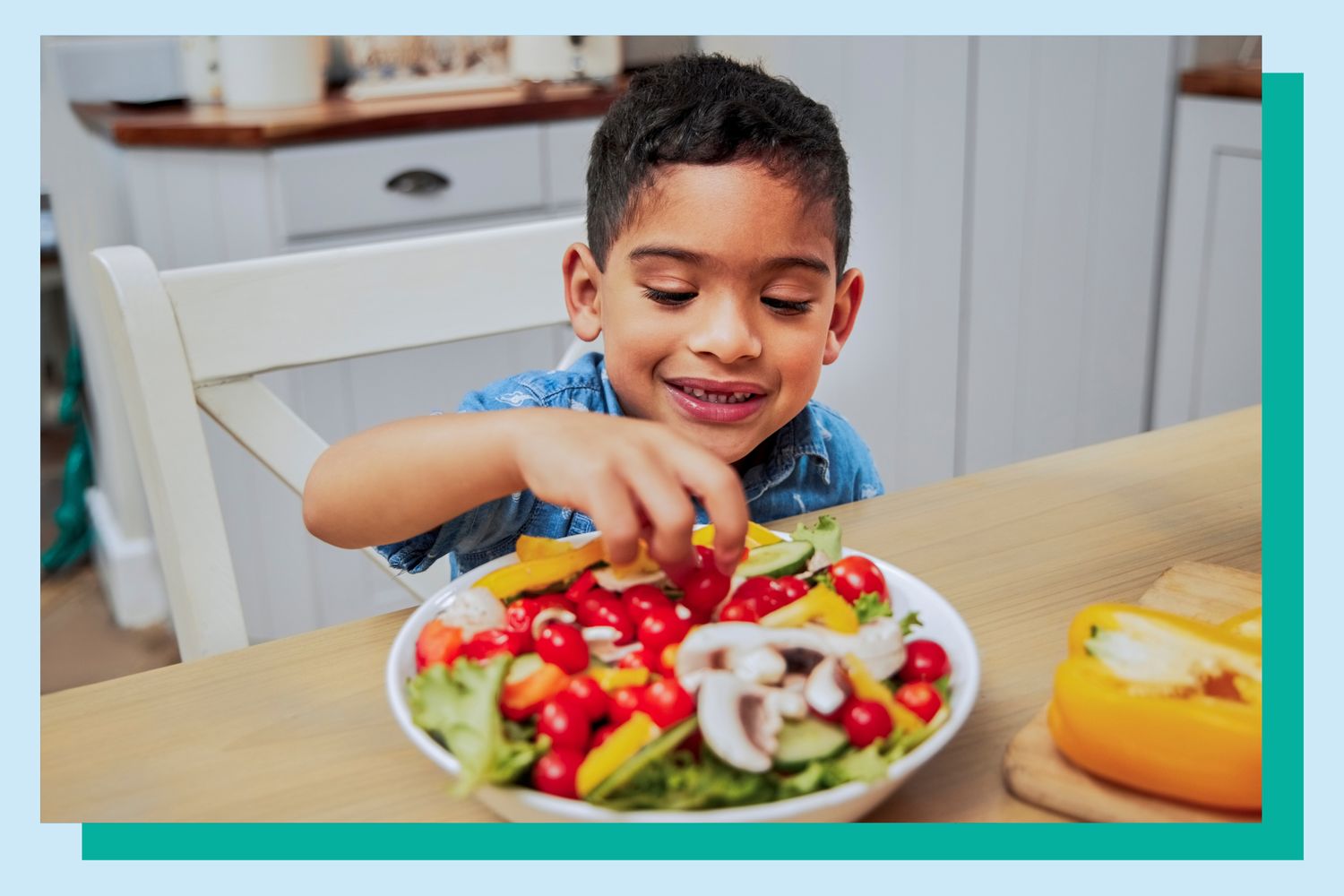
As you probably know, organic foods are free of pesticides, certain preservatives, and other chemicals commonly used to grow or process food. Eating a largely organic diet can significantly decrease the amount of pesticides and chemicals in the bloodstream. How beneficial is that? We really don't know, but it likely can't hurt. Some research has found that when pregnant women are exposed to large amounts of a common pesticide -- organophosphates, used to kill weeds and insects -- their babies are at greater risk for having smaller heads, lower birth weights, and developmental abnormalities.
But research has shown that only environmental exposure to organophosphates had these effects. Studies have not yet shown that ingesting residual amounts of these chemicals poses a danger to developing fetuses, infants, babies, or adults. Also, no studies to date have proved that eating an organic diet provides any specific health benefits or reduces the risk of any disease. But future studies may, as more experts in food science continue rigorous, long-term research and studies on organic diets.
I believe that eating an organic diet and decreasing the blood levels of pesticides is a good idea -- especially if you're even thinking about getting pregnant or already are. Unborn children and children under 3 years old are more likely to be susceptible because of their size and their developing brains and nervous systems. So if, budget wise, it's a question of affording either organic baby food for your toddler or organic peanut butter for your 10 year old, opt for the former.
And make no mistake, cost is a big issue. Organic food is often twice as expensive as nonorganic, and that can strain family budgets. Also, no conclusive research has shown that organic foods are more nutritious than their nonorganic counterparts. So if buying organic means that fewer fruits and veggies wind up on your table, then that is not a good trade-off. Making sure that your kids receive the minerals, vitamins, and other nutrients they need from fruits and veggies is more important.
If you'd like to incorporate more organic foods into your family's diet, focus on apples, bell peppers, berries, celery, cherries, grapes (imported), lettuce, nectarines, peaches, pears, potatoes, spinach, and strawberries, as they tend to be the ones that contain the highest levels of pesticides.
Reality Of Islam |
|

Keeping sil
Two experim

Changing a
Plants are
 9:3:43
2018-11-05
9:3:43
2018-11-05
10 benefits of Marriage in Islam
7:5:22
2019-04-08
benefits of reciting surat yunus, hud &
9:45:7
2018-12-24
advantages & disadvantages of divorce
11:35:12
2018-06-10
6:0:51
2018-10-16
5:57:34
2023-03-18
1:34:8
2022-02-01
bahlool & the throne of haroun rashid
8:20:35
2018-06-21
6:14:17
2018-06-21
4:26:43
2022-02-21
4:25:57
2023-02-11
2:11:12
2022-10-15
5:41:46
2023-03-18
| LATEST |
 HOME
HOME