الوضع الليلي


 12:34:42
 2026-11-19
 98
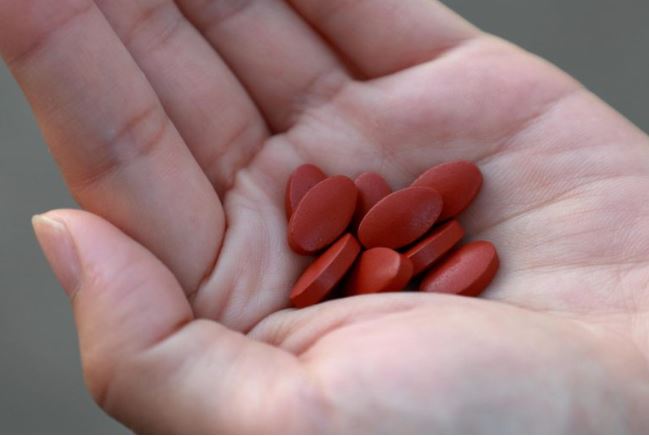
A major scientific review involving more than 50,000 children and adolescents reveals that daily iron supplementation can significantly reduce the risk of iron deficiency anemia.
A daily iron supplement can substantially reduce the risk of iron deficiency anemia in children and teenagers, but it does not appear to improve growth or protect against common illnesses. These findings come from a major Cochrane review of 114 studies involving more than 50,000 participants.
Led by researchers at Cornell University’s Joan Klein Jacobs Center for Precision Nutrition and Health, the review examined daily iron supplements taken alone or combined with folic acid and other vitamins and minerals. Many of the studies were conducted in Asia and involved children younger than five.
Daily Iron Supplements Reduce Anemia Risk
The strongest evidence showed that iron alone probably reduces the risk of iron deficiency anemia compared with receiving no treatment or a placebo. Combining iron with folic acid probably offers similar protection, although that conclusion was based on just one study. Supplements containing iron alongside other vitamins and minerals may also help. Evidence suggests that iron supplementation can reduce anemia and iron deficiency more broadly, but confidence in several findings remains limited.
Iron is essential for producing hemoglobin, the protein in red blood cells that transports oxygen from the lungs throughout the body. When iron levels become too low, the body cannot produce enough healthy hemoglobin, potentially leading to iron deficiency anemia.
“Iron deficiency remains one of the most common nutritional problems affecting children worldwide,” says first author Dr Kripa Rajagopalan. “Our review shows that daily iron supplements do what they are meant to do, which is reduce iron deficiency anemia, without any measurable impact on the common illnesses parents and health workers worry about.”
Little Effect on Growth or Common Childhood Illnesses
Although iron supplements helped prevent iron deficiency anemia, the researchers found no improvement in children’s height or weight relative to others of the same age and sex. Iron alone also had no measurable effect on the occurrence of cough, fever, or respiratory illness.
Adding folic acid to iron made little to no difference in rates of diarrhea or respiratory illness. Results for other supplement combinations were less conclusive, with evidence ranging from moderate to very low certainty.
Possible Side Effects and Remaining Uncertainties
Daily iron supplementation may cause stool discoloration, but iron alone appears to have little or no effect on vomiting or diarrhea. Its relationship with constipation remains uncertain. When iron was included in supplements containing other vitamins and minerals, vomiting was probably more common than with otherwise identical supplements that lacked iron.
“While the evidence base supports the use of daily iron supplements where needed, some adverse effects do occur. Stool discoloration and, in some formulations, vomiting were more common with iron, and the certainty of evidence for several outcomes, including anemia and iron deficiency themselves, was low or very low,” explains senior author Dr Saurabh Mehta.
Uncertainty about longer-term outcomes has persisted for years. The World Health Organization’s guidelines, last updated in 2016, identified gaps in evidence concerning the long-term effects of iron supplementation in children. The new review brings together a much larger body of research, although the strength of the evidence still varies across outcomes.
A Widespread Nutritional Problem
Anemia affects an estimated 874 million children and women worldwide. Young children face a particularly heavy burden, with approximately 40% of children younger than five affected in 2019. Iron deficiency accounts for roughly half of these cases.
Preventing anemia is a central objective of the global health strategy for women, children, and adolescents through 2030. Iron supplementation is already widely used to prevent and treat anemia, particularly among adolescents and women in populations where iron deficiency is common.
“These findings give decision-makers a stronger evidence base for guidance on iron supplementation in children and adolescents,” says co-author Dr Julia L. Finkelstein. “The data supports continued use of iron supplementation where iron deficiency is a concern.”
The researchers caution that their findings do not justify giving every child or adolescent a daily iron tablet. Decisions about supplementation should account for individual nutritional needs, local rates of iron deficiency and anemia, and the specific supplement formulation being used.
Reality Of Islam |
|

Scientists
A simple ch

Researchers

A new break
 9:3:43
2018-11-05
10 benefits of Marriage in Islam
7:5:22
2019-04-08
benefits of reciting surat yunus, hud &
9:45:7
2018-12-24
advantages & disadvantages of divorce
11:35:12
2018-06-10
6:0:51
2018-10-16
3:43:50
2022-11-05
1:38:41
2021-12-08
8:21:9
2018-06-21
4:2:19
2022-10-10
8:30:23
2022-03-03
6:14:17
2018-06-21
7:0:55
2022-05-17
5:41:46
2023-03-18
| LATEST |
 HOME