الوضع الليلي


 10:15:1
  2024-03-10
  1670
1670

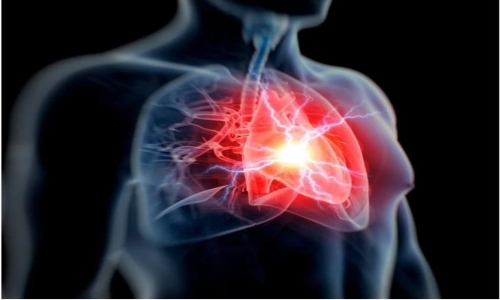
A new study suggests that sticking to a fasting-style diet can bring with it a range of benefits, including a lower risk of disease and slower cell aging.
Known as a fasting-mimicking diet, or FMD, the brief reduction in food aims to replicate the effects of a water-only fast without giving up essential nutrients.
This involves consuming a proportion of plant-based soups, energy bars, crisps, teas, and vitamin and mineral supplements portioned out across five days, providing a diet high in unsaturated fats and low in calories, protein, and carbohydrates.
Researchers from the University of Southern California (USC), the Yale School of Medicine, and AIRC Institute of Molecular Oncology in Italy ran two clinical studies involving a total of 144 volunteers. They found that those on the FMD had reduced insulin resistance (linked to diabetes), liver fat, and immune system aging – all contributing to a lower biological age and lower disease overall.
"This study shows for the first time evidence for biological age reduction from two different clinical trials, accompanied by evidence of rejuvenation of metabolic and immune function," says gerontologist Valter Longo, from USC.
The participants who went through the cycles of FMD were found to be 2.5 years younger in median biological age than the other groups, which measures 'wear and tear' on the cells, or how well they function in relation to how old you actually are.
What's more, the health boosts didn't appear to be linked to any associated weight loss. In other words, the body wasn't just feeling the benefits of shedding some weight – it seems there's something else going on here too, which future studies can continue to investigate.
"This is the first study to show that a food-based intervention that does not require chronic dietary or other lifestyle changes can make people biologically younger, based on both changes in risk factors for aging and disease," says Longo.
It's not the first time the FMD has been shown to have health benefits. A previous study found that this kind of food and calorie restriction was able to reduce the signs of dementia – albeit only in mice, rather than humans. It might also help tackle obesity.
With all of this in mind, the researchers are keen to see the FMD promoted as part of cultivating a healthier lifestyle – though as always, it's crucial to consult a doctor or healthcare professional before making drastic changes to your diet.
"These findings should encourage many more healthcare professionals to recommend FMD cycles to patients with higher than desired levels of disease risk factors as well as to the general population that may be interested in increased function and younger age," says Longo.
Reality Of Islam |
|
Moving with
A cobalt al

A wearable

Modern comp
 9:3:43
2018-11-05
9:3:43
2018-11-05
10 benefits of Marriage in Islam
7:5:22
2019-04-08
benefits of reciting surat yunus, hud &
9:45:7
2018-12-24
advantages & disadvantages of divorce
11:35:12
2018-06-10
6:0:51
2018-10-16
the happy life of mankind requirement
6:36:36
2022-01-25
6:14:3
2023-01-18
9:39:36
2022-12-28
6:14:17
2018-06-21
3:18:29
2022-12-24
6:0:8
2023-03-19
4:25:57
2023-02-11
5:41:46
2023-03-18
| LATEST |
 HOME
HOME